It started with a viral video. A quiet Los Angeles street split open after a water main burst, swallowing a parked car and flooding the neighborhood. Within hours, clips of the “sinkhole scene” spread across the internet. Engineers and city planners across the country began to ask one question: Could this happen here? In fast-growing cities like Nashville, where old utilities run beneath new developments, that question hits close to home. And for many local builders, it leads to a deeper issue — how much attention are we really giving to soil testing before construction begins?
When Water Meets Weak Soil
Burst pipes and sinkholes may look sudden, but they rarely happen overnight. Long before the ground collapses, the soil beneath it is already weakening. In Middle Tennessee, where the soil is rich in red clay and limestone, water doesn’t drain evenly. When pipes leak underground, the clay expands, contracts, and slowly loses its strength. That’s when voids start to form — invisible gaps waiting for the right amount of pressure to give way.
That’s where soil testing comes in. It’s the science that tells builders whether the ground beneath them can handle what they’re about to build. It also reveals how the soil reacts to moisture, weight, and movement — the same conditions that caused that viral road crater.
Without proper testing, even a small leak can turn into a costly disaster.
Why Soil Testing Matters More Than Ever
Nashville’s growth is exciting — but it also means more construction near aging pipes and shallow utilities. Developers are rushing to meet deadlines, and sometimes, geotechnical studies get trimmed from the budget to save time. But skipping that step is like building on guesswork.
A thorough soil test gives you three key advantages:
- It tells you how stable the ground really is. The test identifies soil layers, moisture content, and compaction levels. That data guides everything — from foundation design to drainage grading.
- It exposes potential drainage problems. Nashville’s clay-heavy soils can trap water, especially after long rains. Testing helps engineers design slopes, gutters, and storm drains that move water away instead of trapping it under slabs or roads.
- It prevents over-engineering. Sometimes the soil is better than expected. A proper report can actually reduce costs because you’ll know exactly what materials and reinforcements are needed — nothing more, nothing less.
The truth? Soil testing doesn’t slow projects down. It speeds them up by preventing mid-construction surprises.
What the Burst Main Teaches Nashville Builders
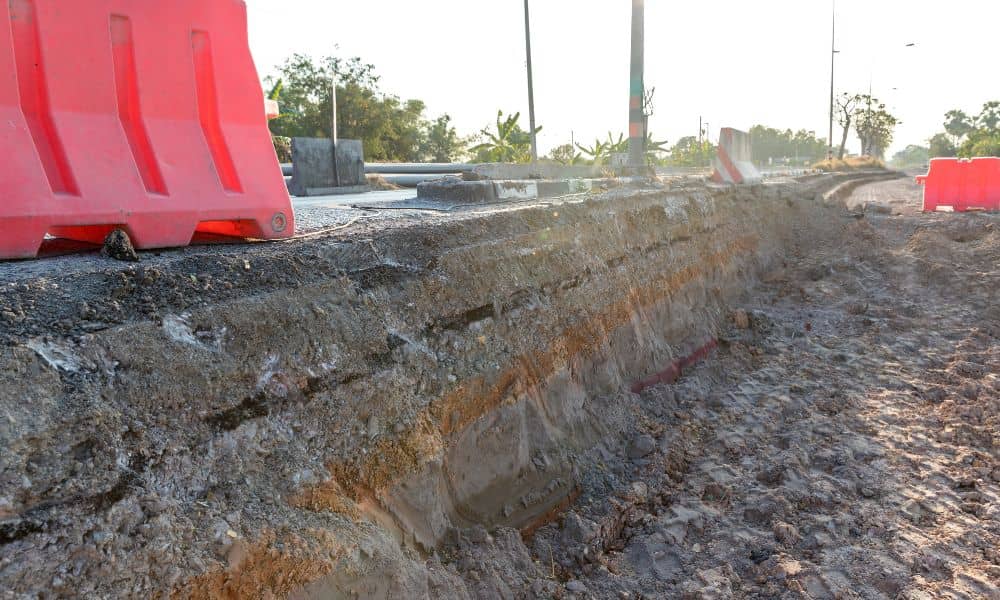
When that LA water main broke, the first question wasn’t about the pipe — it was about the ground around it. Why did the soil cave so fast? Why didn’t the pavement hold? The answers all pointed to the same thing: saturated, uncompacted soil that lost its bearing capacity.
In Nashville, where pipes from the 1960s still run under newly built neighborhoods, that story feels familiar. The city’s high groundwater table and clay soils create a hidden challenge for developers. You might have a solid grading plan and a perfect stormwater design, but if the soil isn’t tested right, those plans can fail.
Local civil engineers now encourage builders and project managers to take a second look at the ground conditions before excavation. Some firms even combine soil testing with ground-penetrating radar (GPR) and CCTV utility inspections to check for voids near old mains. It’s a small step that can prevent huge repair costs later.
From Geotech Data to Real-World Results
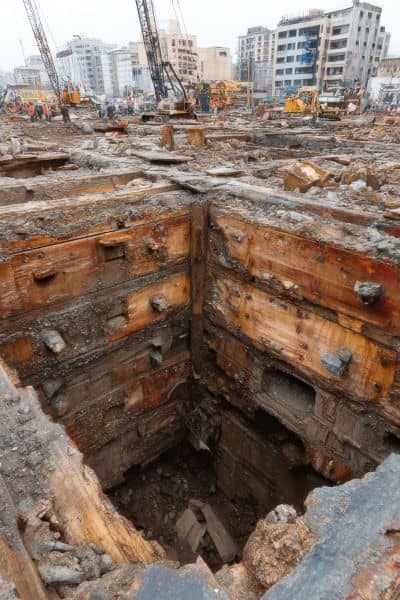
A soil report isn’t just a stack of boring numbers. It’s a map of how your site behaves when water, weight, and vibration interact.
Here’s what it reveals — in plain English:
- How deep you can safely dig without destabilizing nearby roads or driveways.
- Whether your soil will shrink, swell, or stay firm when saturated.
- Where you need reinforced backfill, especially near retaining walls, pipes, or pavement edges.
- How your soil type affects stormwater detention pond performance.
Every one of those factors shapes how your site will perform after rain, traffic, or time. Ignoring them means risking cracks, settlement, or — in the worst case — collapses that make the news.
Nashville’s Growing Pressure Points
Metro Water Services and the Stormwater Management Division have long warned about aging underground systems in Davidson County. Many of those lines are decades old, often sitting close to new residential or mixed-use construction sites.
When developers move fast without verifying ground stability, they risk cutting into weak backfill or disturbing soil that’s already compromised by moisture. The result? Driveways that sink, curbs that crack, or lots that flood even when the storm drains look fine.
Local engineers say the solution is simple: pair soil testing with utility coordination early. Before demo or excavation, check where old pipes cross your site. Review pressure zones. Identify which mains are shallow. Then test those zones first. It’s proactive risk management — and it can save thousands in change orders later.
Lessons for Construction Managers and Developers
There’s a growing mindset shift among builders. Instead of treating soil testing as an optional step, they now view it as a baseline requirement.
Why? Because it protects every other part of the project — grading, stormwater design, even concrete work. A single undiscovered soil void can delay an entire site pour, add new materials, and wreck your timeline.
Developers also realize that communication between civil engineers and geotechnical teams matters. Sharing soil data early allows engineers to adjust slopes, drainage paths, and pavement specs before construction begins. That teamwork keeps surprises (and lawsuits) off the table.
So, Did We Under-Estimate Soil Testing?
Probably, yes. The burst main across the country is a reminder that what we don’t see underground can hurt us. Soil is a living system — it moves, shifts, and reacts. Every successful project in Nashville depends on understanding that first.
As the city grows, and more infill projects rise over older infrastructure, soil testing will decide which projects last and which ones fail early.
So before breaking ground, ask yourself: Have we really tested enough? Because the last thing you want is for your project to make headlines for all the wrong reasons.
Final Word
If you’re building or managing a project, it’s not too late to take a closer look underground. Request a pre-construction soil and utility risk screen before you mobilize. It’s quick, affordable, and it could save your project from costly rework — or worse, a viral sinkhole story of your own.