You’ve probably heard the term lidar mapping recently, but what does it really mean? And why is it starting to get so much attention in Nashville?
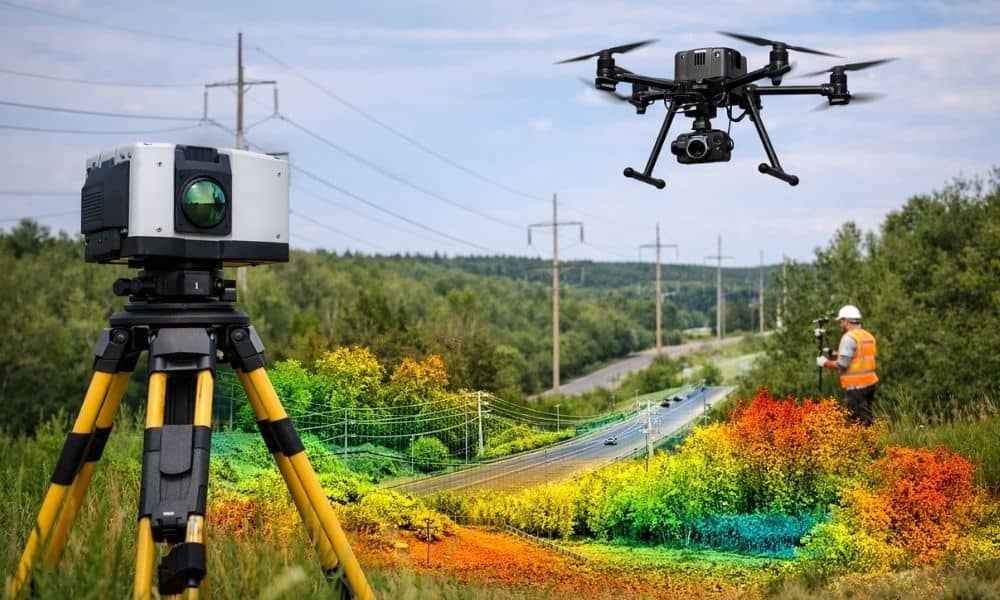
In simple terms, lidar mapping uses lasers to create a very detailed view of the land. Think of it like taking a super-accurate 3D snapshot of the ground, trees, and buildings. This advanced 3D mapping technology works quickly, so surveyors and engineers don’t have to walk every inch of a site. The lasers bounce off surfaces and turn into a precise map that shows what’s really there. It’s not just a tool for scientists anymore—people are using it on real projects around the city to plan work, spot potential problems, and make smarter decisions.
A New Way to Survey Utilities in Nashville
Keeping power lines, pipes, and other utility systems safe is a big job. In the past, crews had to walk each stretch of land, measure everything by hand, and write it all down. It could take weeks, and even then, some details might be missed.
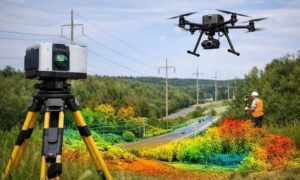
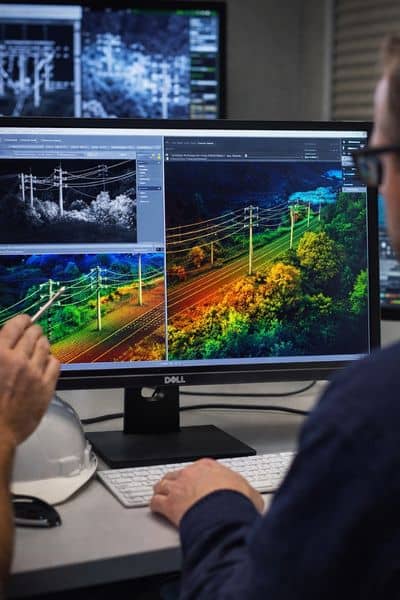
Today, many teams rely on professional lidar mapping services to see the whole area in just a few hours. The technology scans the land, poles, wires, and even the trees, creating a clear 3D map. Engineers can look at that map and know exactly where repairs or upgrades are needed without having to double-check every spot on foot.
Trees near power lines are always a concern. Branches that grow too close can cause outages or even fires. Lidar mapping shows the distance between each branch and the lines, letting crews fix potential problems before they happen. This keeps neighborhoods safer and makes the work much more efficient.
Helping Trees and the City at the Same Time
Nashville has many beautiful trees. They make the city green, cool, and pleasant. But fast-growing trees can also cause problems. Branches can block roads or sidewalks, or even hit power lines.
Lidar mapping gives a 3D view of all the trees. Planners and utility crews can see the height, shape, and position of each tree. They can spot trees that might fall or interfere with utilities before it becomes a hazard. Instead of checking one tree at a time, crews can see everything at once. This makes planning faster, safer, and more reliable. Lidar mapping helps the city manage tree care ahead of storms, saving money and avoiding emergencies.
Real Uses of LiDAR in Nashville Today
You might wonder if this technology is actually being used here. The answer is yes. Local teams in Nashville use lidar mapping to make roads safer, monitor trees, and manage utilities more effectively.
They scan large areas to see both natural and man-made features. For example, crews can check how tree branches interact with power lines or roads. They can plan trimming, repairs, or road work without visiting each spot multiple times. This lowers risk, saves money, and keeps the city running smoothly.
Developers and property owners also benefit. Lidar mapping shows the land clearly before building, so construction plans are more accurate and surprises are minimized.
Why LiDAR Mapping Matters to Property Owners
Even if you’re not a surveyor, lidar mapping can still help you. Property owners, builders, and developers can see the land clearly before starting a project. Architects and engineers can plan faster and avoid mistakes.
Projects move more smoothly, costs are easier to predict, and delays happen less often. Utility crews can spot hazards early, keeping lines safe and reducing outages. For developers, this means fewer interruptions. For city planners, lidar mapping helps make smarter choices about streets, parks, and trees.
The Future of LiDAR
Looking ahead, lidar mapping is likely to be used even more. Departments, developers, and utility companies are realizing just how useful it is.
Some teams may combine lidar with drones or AI to make even more detailed maps. Others might scan areas regularly to see how trees or land features change over time. This helps protect infrastructure and plan maintenance before problems appear.
For property owners, it means fewer surprises and smoother projects. For utility companies, it means safer lines. For city planners, it means smarter, data-driven decisions that benefit everyone.
Conclusion
Lidar mapping is more than just a technical term. It’s changing how surveys are done in Nashville. By giving crews a 3D view of everything—from trees to power lines—it helps them plan better, act safely, and protect people.
Homeowners, builders, and city planners all gain from this technology. Using lidar mapping, Nashville can work faster, safer, and smarter. It might not be something people notice every day, but quietly, it’s making the city better for everyone.