You finally decide to build. Maybe it’s a pool, a driveway, or a home addition. You have a plan in mind, and everything looks clear. The space is open, the layout makes sense, and the project feels simple. Then construction begins. Suddenly, digging stops. Someone finds a pipe, or water starts moving in a way you didn’t expect. Now the project pauses, and the cost begins to rise. This situation happens more often than people think. It’s not because the idea was wrong. Instead, something important was hiding below the surface. This is where engineering services for site planning usually come into the picture, helping you understand what’s really going on before any work begins so you don’t run into surprises later.
Most Problems Start Below Ground, Not Above It
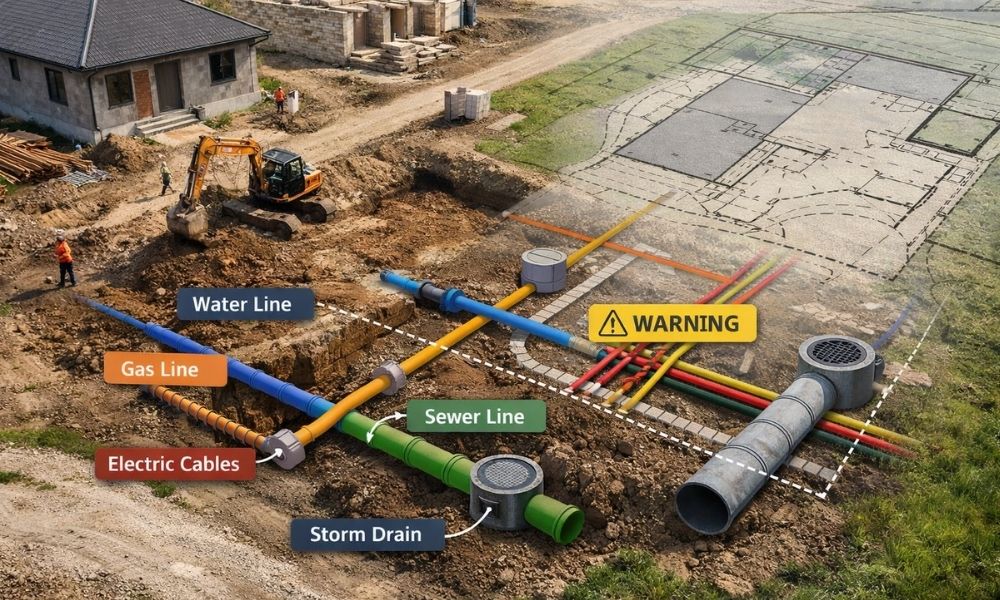
When people look at land, they usually focus on what they can see. But the ground is more complex than it looks. Beneath the surface, there are systems working quietly—moving water, supporting drainage, and keeping utilities running.
Because of that, even a small project can affect a much larger network underground. It’s easy to overlook at first, especially if you haven’t spent much time understanding your property layout before starting.
For example, a small change in a driveway can shift how water flows across the site. In the same way, placing a structure in the wrong spot can interfere with something buried below. These problems don’t show up in a basic plan. Instead, they tend to appear once construction has already started—when fixing them becomes much harder.
Why These Issues Often Go Unnoticed at First
At the start of a project, most people focus on design and budget. That makes sense. After all, those are the most visible parts of the process.
However, many plans rely on surface-level information. They don’t always include a deeper review of how the land behaves. As a result, hidden conflicts remain unnoticed.
During construction, those conflicts finally show up. A contractor may hit something underground, or water may start collecting in the wrong place. At that point, everything slows down. Fixing the issue takes time, and the cost quickly increases.
This is why early planning matters so much. It’s not just about how the project looks. It’s about how it works.
How Small Mistakes Turn Into Big Problems
Utility conflicts don’t always seem serious at first. In fact, they often begin with small oversights. But over time, those small issues grow into larger problems.
A slight change in grading may cause water to flow toward a structure instead of away from it. A structure placed too close to a hidden line may limit access for future work. These problems may not show up right away, but they eventually create stress, damage, or delays.
Because of this, fixing them later becomes more difficult. In some cases, parts of the project may need to be removed or rebuilt. That’s not only costly—it’s frustrating.
How Engineering Services Help You Plan With Confidence
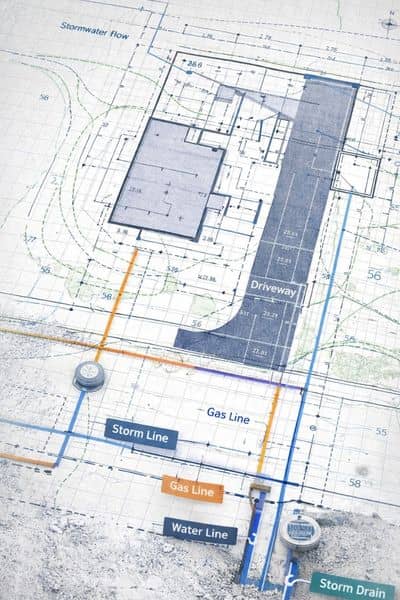
This is where engineering services play a key role. Instead of reacting to problems, engineers focus on preventing them.
Before construction begins, they study the site carefully. They look at how water moves, how the land is shaped, and how your design fits into that space. They also consider how underground systems may affect the project.
With this information, they can suggest simple changes early on. These changes may adjust the layout slightly or improve how the site handles water. While the updates may seem small, they help avoid much bigger problems later.
Because of this, your project becomes more stable from the start.
Seeing the Details Others Often Miss
A project may look fine on the surface, but deeper issues can still exist. Engineers are trained to notice those details.
They understand how land behaves over time. They know how small changes can affect the entire site. Because of that, they can spot risks that are easy to overlook.
For example, a slight slope may not seem important, but it can change how water moves. A design that fits perfectly on paper may not match real site conditions. These details matter more than most people realize.
By catching them early, engineers help protect both your project and your investment.
Planning Early Saves Time, Money, and Stress
It’s easy to think that skipping early review will save money. However, the opposite is usually true.
When problems appear during construction, everything slows down. Work stops, plans change, and costs increase. Even small fixes can take time and add stress to the process.
On the other hand, planning early keeps things simple. A short review before construction can prevent weeks of delay. It also helps avoid costly changes once work has started.
Because of this, early planning is not an extra step. It’s a smart move.
Building the Right Way From the Start
Every project begins with an idea. However, turning that idea into something lasting takes more than a basic plan.
It requires understanding the land, the systems below it, and how everything connects. That’s exactly what engineering services provide.
They help you move forward with clarity. They reduce risk. And they give you confidence before construction even begins.
In the end, the goal is simple. You want your project to run smoothly, finish on time, and last for years. With the right planning in place, that goal becomes much easier to reach.