Downtown Nashville keeps changing fast. New buildings rise next to older structures, often on tight or fully developed lots. Roads stay busy, and construction crews work in limited space with very little room for error.
On crowded sites, even small mistakes can slow an entire project or lead to expensive rework later. A missed level or unclear ground condition can change how a structure is built. Because of this, teams need a clearer view of the site before construction begins.
That is where LiDAR mapping starts to make a real difference in how these sites are understood.
Why Downtown Nashville is harder to build in today
Downtown Nashville is not like open land where there is space to spread out. Buildings sit close together, and every available space is already in use or planned for something else.
Streets stay active throughout the day, which limits access for field work. At the same time, underground utilities like pipes and cables run in many directions. These are not always easy to identify from the surface.
Because of this, crews often deal with conditions that are more complex than what drawings alone can show. A site may look simple at first, but once work begins, hidden issues can appear quickly.
Also, many projects happen at the same time in nearby areas. One project can affect another, especially when access routes or underground systems overlap.
When plans are not accurate, the impact is not small. Teams lose time, and they often spend more money fixing problems that could have been avoided earlier.
What LiDAR mapping actually does
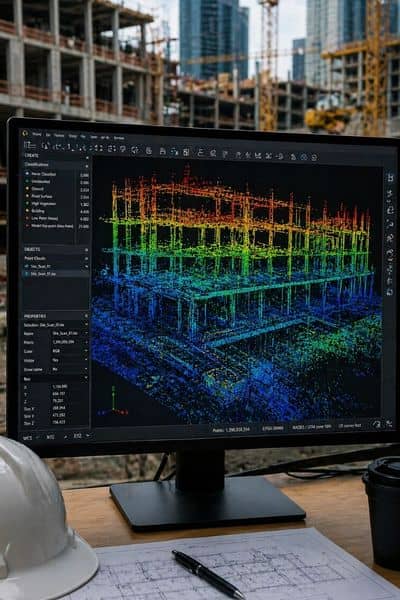
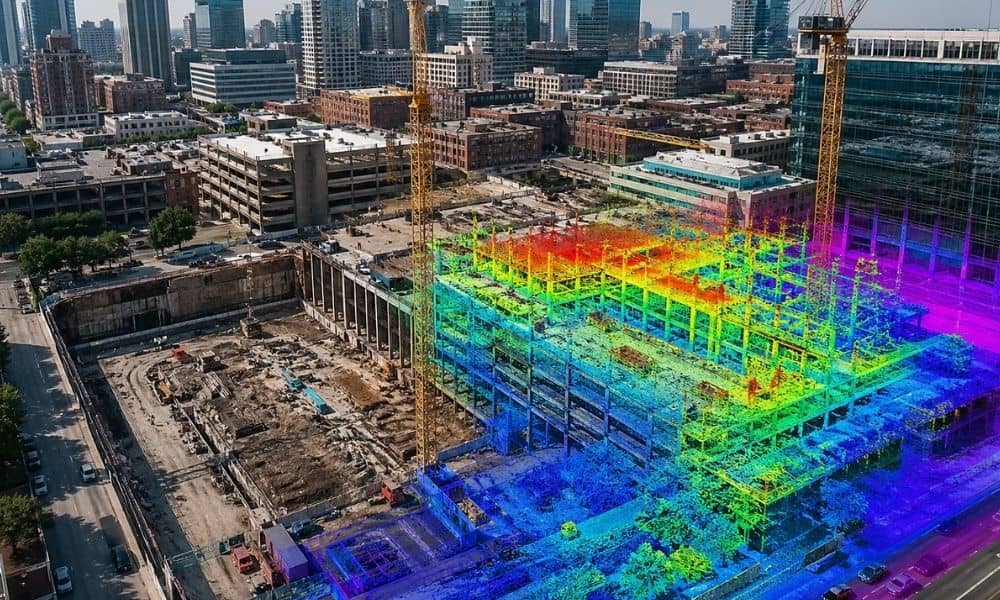
LiDAR mapping uses laser pulses to scan the land and everything on it. A drone or scanning device sends out light signals that bounce back after hitting surfaces. The system measures those returns to calculate exact distances.
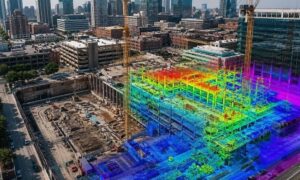
This process builds a full 3D model of the site. It shows ground shape, building edges, slope changes, and surface details in a way that is much more complete than basic photos or manual measurements.
Instead of relying on partial observations, engineers can see the entire site in digital form. This makes it easier to understand how the land actually behaves before any design or construction decisions are made.
Why this matters for tight construction sites
High-density construction sites need more than basic measurements. They need a full understanding of space, height, and structure in a single view.
In downtown Nashville, many sites have limited access. Some areas are blocked by buildings, while others may be restricted for safety or traffic reasons. Because of this, it is not always possible to physically measure everything on site.
Important details can be missed, such as small elevation changes or hidden surface conditions. These small details can affect grading, drainage, and structural planning.
LiDAR helps reduce that uncertainty. It captures data from areas that are difficult to reach and does it quickly enough to support tight project schedules.
Instead of multiple site visits, teams can work from a complete model of the site.
How LiDAR helps during planning
Before construction starts, teams need a clear understanding of the land. They look at slope, elevation changes, and usable space. They also study how the site connects to nearby roads and surrounding buildings.
LiDAR makes this clearer by creating a detailed surface model of the site. From there, engineers can identify drainage patterns, elevation shifts, and areas where space becomes limited or uneven.
At that point, it is less about collecting data and more about understanding conditions early. That is where early-stage construction site analysis becomes useful, especially when different teams need to agree on site conditions before design decisions are finalized.
When that understanding is in place, design teams can adjust plans earlier instead of reacting to issues later.
It also keeps everyone aligned. Architects, engineers, and contractors all work from the same ground conditions, which reduces confusion once construction begins.
How LiDAR supports real construction work
Once construction begins, conditions on site change quickly. Soil is moved, equipment enters the area, and structures start to take shape.
LiDAR helps teams track these changes. By comparing early scans with current conditions, they can see whether the project is matching the original plan.
It also helps with layout verification. If something is slightly off, it can be identified early before it becomes a larger problem.
In dense areas like downtown Nashville, this level of control matters. There is very little space for correction once work is underway. A small issue can affect surrounding structures or delay multiple stages of construction.
LiDAR works as a reference point throughout the build, helping teams stay accurate as conditions evolve.
Why LiDAR is becoming more common now
Several years ago, LiDAR was mostly used for large infrastructure projects. Now it shows up more often in city construction.
One reason is speed. Projects move faster today, and developers want quicker approvals along with shorter build times. Because of that, they need site information that is clear and ready early in the process.
Another reason is site complexity. Downtown areas now have more layers than before. Roads, utilities, and buildings overlap in ways that are not always visible from ground level.
On top of that, project costs are higher. Even small mistakes can turn into expensive delays or redesign work. So teams try to catch issues early instead of dealing with them once construction is already underway.
Because of all this, LiDAR has become something teams in Nashville bring into early planning more often, especially when a site is tight or difficult to interpret from the ground. In those situations, working with LiDAR mapping services in Nashville early helps teams understand site conditions before decisions are locked in.
What developers and contractors gain from LiDAR
Developers want fewer surprises. Contractors want fewer delays. Engineers want better and more reliable data.
LiDAR supports all three by giving a clearer view of the site before work begins. It also improves coordination during construction because everyone is working from the same model.
With better visibility, decisions become more confident. Fewer changes happen once construction is underway, and work moves more smoothly from planning to completion.
Most importantly, it reduces the gap between design and reality. That gap is where most construction problems begin.
Where LiDAR fits in modern project workflows
LiDAR is not a one-time tool. It fits into different stages of a project.
It is used before design starts to understand site conditions. It supports planning by helping teams shape better layouts. It also helps during construction when teams need to verify progress or check accuracy.
Because of this, LiDAR becomes part of the full workflow instead of just a one-time scan.
Teams use it when they need clarity. They also use it when they need confirmation that work on site matches the plan.
Conclusion: why it matters for Nashville construction
Downtown Nashville keeps growing, and sites are becoming tighter and more complex. That makes construction less forgiving and more dependent on accurate information.
LiDAR mapping gives teams a clearer view of the ground before and during construction. It reduces guesswork and helps prevent costly mistakes.
As projects continue to increase in density and speed, LiDAR is becoming a standard part of how teams plan and build in cities like Nashville.