A sloped lot can look like a great deal. You get a view, better drainage, and more privacy. But once grading starts, problems can show up fast. Many people think grading is simple. Move dirt, level the ground, and build. That idea causes trouble. When you change a slope, you also change how the ground behaves. That’s where a soil engineer comes in. Most people don’t think about working with a soil engineer before grading until something goes wrong, but taking a closer look early can help you avoid bigger issues later.
The Slope Doesn’t Stay the Same After You Touch It
A slope looks stable because it has settled over time. Once you cut into it or add fill, that balance changes.
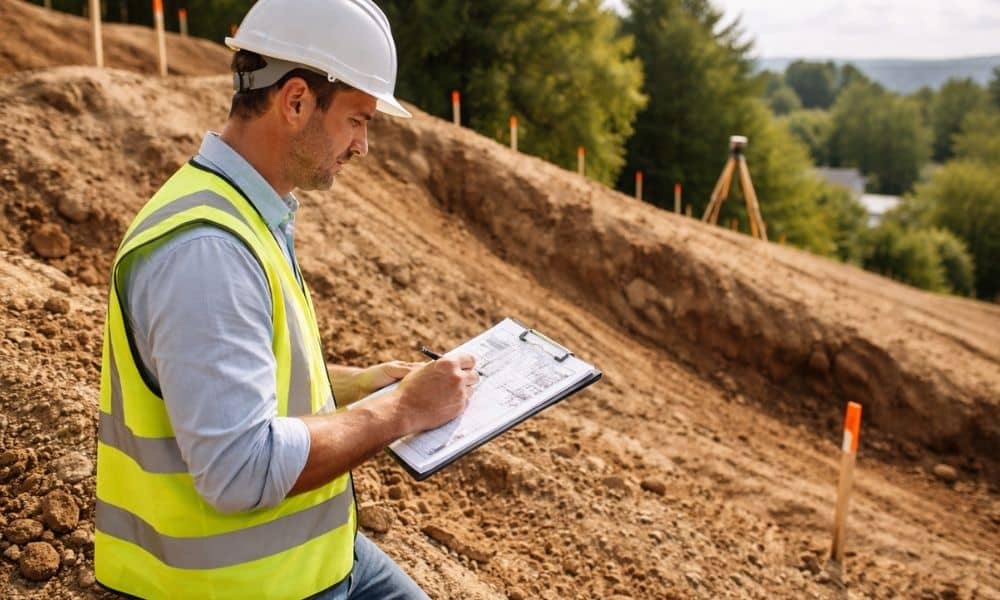
A soil engineer looks at how the slope will react after grading. Cutting into the hill removes support. Adding soil adds weight. Both can lead to movement.
Some movement happens slowly. You might not notice it right away. Months later, cracks show up. Driveways shift. Doors stop closing right.
That’s not bad luck. That’s a slope that was changed without proper review.
The Ground Might Not Support What You Plan to Build
Not all soil can hold weight the same way. Some soil stays firm, while other soil shifts once you start moving it around.
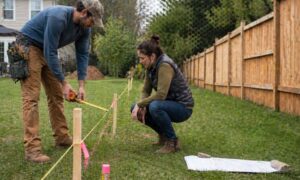
A soil engineer looks at how strong the ground will be after grading, not just how it feels right now. That part matters more than most people expect. It’s similar to getting a feel for the lot early on, like getting a land survey before grading, so you’re not making decisions without a clear picture of the property.
If the ground settles unevenly, everything built on top of it moves too. That’s when cracks show up, floors feel uneven, and repairs start to add up.
You won’t catch this just by walking the site. Most of the risk stays hidden until the damage is already done.
Water Will Move in New Ways After Grading
Sloped land already controls how water flows. Once you change the shape, water follows a new path.
A soil engineer studies where water will go after grading. That includes rainwater, runoff, and moisture in the soil.
If water moves toward your home, you get pooling. If it runs too fast, you get erosion. If it soaks into the ground in the wrong place, the soil weakens.
These problems don’t show up during construction. They show up during storms, when fixing them costs far more.
What’s Below the Surface Matters More Than What You See
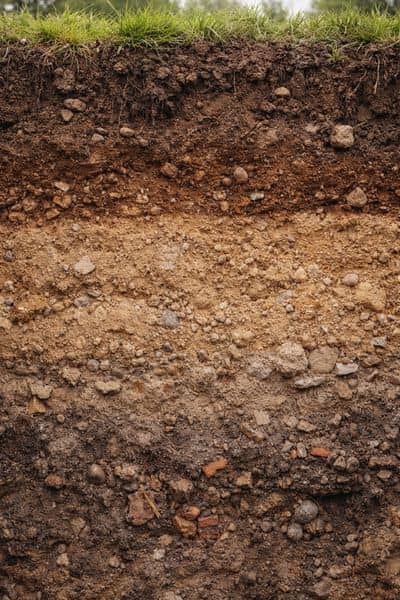
A lot of risk sits underground. You won’t spot it just by looking at the lot.
A soil engineer checks for weak layers, soft spots, and old fill material. Some areas may have been disturbed years ago. Others may hold moisture that weakens the soil once exposed.
These conditions affect how the ground reacts after grading. If you skip this step, you’re guessing.
And guessing is expensive.
Grading Can Affect More Than Your Lot
Changing a slope doesn’t only affect your property. It can impact nearby areas too.
A soil engineer looks at how grading may shift soil or water toward neighboring land. That includes runoff, soil pressure, and slope stability along property lines.
This matters more than most people expect. Problems with nearby areas can lead to disputes, repairs, and delays.
Fixing it early avoids all of that.
Some Slopes Need Extra Support Before You Build
Not every sloped lot can be reshaped safely on its own. Some need support after grading.
A soil engineer checks if the ground will need added strength. That could mean better compaction or structural support built into the plan.
If you skip this step, you may find out later that your design won’t work without major changes.
That’s when costs jump.
Timing Makes a Big Difference
Once grading starts, your options shrink. You’ve already moved soil, and fixing mistakes becomes harder.
A soil engineer works best before any work begins. That gives you time to adjust the plan, control costs, and avoid surprises.
Waiting until problems show up puts you in a reactive position. That’s when projects slow down and budgets grow.
Common Mistakes People Make With Sloped Lots
Many property owners make the same mistakes.
They assume all soil behaves the same. They rely on how the land looks. They skip expert input to save money upfront. They trust that grading alone will fix slope issues.
These choices feel small at first. Later, they lead to repairs that cost far more than early planning.
When It Makes Sense to Call a Soil Engineer
You don’t need to wait until construction starts.
Call a soil engineer before you buy a sloped lot. That gives you a clear picture of the risk. Call before finalizing your site plan. That helps avoid redesign later. Call before grading begins. That’s the most important step.
Each of these points gives you more control over your project.
The Real Goal Isn’t Just to Move Dirt
Grading changes how your land behaves. Once you shift the slope, the ground reacts in new ways.
A soil engineer helps you understand those changes before they happen. That insight protects your structure, your budget, and your timeline.
Skipping this step may seem faster. It rarely is.
The better move is simple. Understand the ground first. Then build on it with confidence.