
Nashville is changing fast, and so are the rules that shape how land gets measured and recorded. Property surveys sit at the center of nearly every real estate move—from buying a home to starting a construction project. And now, the Tennessee Board of Examiners for Land Surveyors is reviewing new regulations that could tighten the standards for how property surveys are done statewide.
The Board held a Public Rulemaking Hearing on November 20, 2025 in Nashville. While most people never follow these meetings, they matter more than you might think. When the Board updates the rules, surveyors adjust how they work, and everyone from homeowners to builders feels the effects. As Tennessee grows, state leaders want clearer, more accurate land records and better consumer protection. That means changes may be on the way.
What the Board Actually Does — and Why It Matters
Most people assume surveys are simple: measure the land, place markers, draw a map. But behind every survey is a long list of rules meant to keep property boundaries accurate and reliable. The Tennessee Board oversees all of that.
It controls licensing, ethics, continuing education, legal standards, and quality expectations for surveyors across the state. When someone buys land or plans to build, they trust that the surveyor who signs their survey followed strict professional rules. Because of that, every regulation the Board sets affects real-world decisions.
This year’s hearing signals a push to tighten those rules. Tennessee leaders want clearer guidance on newer technologies, stricter field procedures, and stronger oversight as the population grows.
Why Changes Are Being Discussed Now
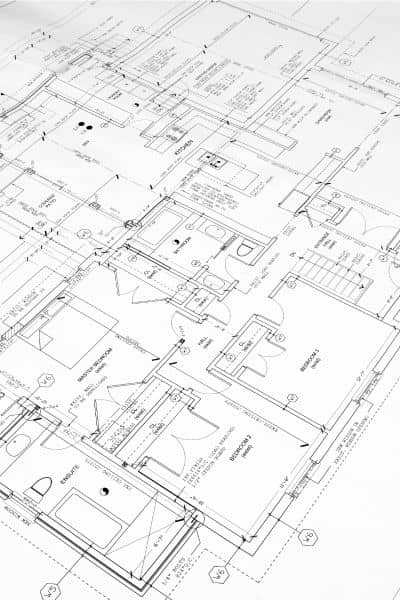
Over the past few years, Tennessee has seen rapid development. New neighborhoods, subdivisions, mixed-use areas, and farmland conversions are happening everywhere—from downtown Nashville to the surrounding counties. More growth means more surveys, and more surveys mean more opportunities for problems.
Technology is also moving faster than the rules. Surveyors now use drones, UAVs, and LiDAR to capture land data quickly. These tools are powerful, but Tennessee’s older standards don’t clearly explain how the data should be used in legal boundary work. The Board wants to close that gap.
The hearing also reflects rising consumer concerns. Across the state, homeowners have shared stories about unclear corner markers, inconsistent measurements, or surveys that left out important details. Real estate deals get stressful when these mistakes appear. When the Board sees patterns, it steps in to protect the public.
And with Nashville growing at record speed, the pressure on surveyors is higher than ever. More demand means tighter timelines, which increases the chance of errors. The state wants stronger rules that keep accuracy high even when workloads spike.
How Stricter Requirements Could Affect You
If the Board adopts new rules next year, many surveyors will need to adjust how they work. That means property owners will feel the effects, too.
Longer Timelines. When surveyors must follow new or more detailed steps, surveys take longer. They may need extra field checks, more documentation, or updated equipment. That can slow down the workflow, especially in busy months.
Higher Costs. More requirements usually mean more time in the field and office. Because of that, survey fees may rise slightly. The good news is that improved accuracy helps prevent problems later.
More Detailed Survey Maps. Clearer notes, cleaner boundary lines, and more consistent markings may become standard. Homeowners will get better information to use for planning, building, or resolving disputes.
Fewer Cut-Rate Providers. Unlicensed or low-cost crews may have a harder time operating. Stricter standards make it easier for property owners to avoid risky or incomplete survey work.
Why These Changes Might Be Good in the Long Run
At first, stricter rules may sound like an obstacle. But better standards protect property owners. A boundary mistake can delay a closing, stop a construction job, or trigger a legal dispute that costs thousands. It’s far better to get a correct survey the first time.
Stronger standards also help builders, lenders, and title companies work together more smoothly. When survey maps follow the same clear rules, everyone understands the layout, boundaries, and risks faster. That means fewer surprises, fewer delays, and better planning.
How Homeowners and Buyers Can Prepare
Even though nothing is final yet, you can make smart choices now.
Order your survey early. When you start planning ahead, you avoid rush fees, delays, or last-minute stress during closing or construction.
Hire a fully licensed surveyor. They follow the state’s professional standards, and they’ll stay current with any new rules the Board adopts.
Ask your surveyor how they collect data. Many surveyors blend traditional fieldwork with drone or LiDAR tools. Knowing this gives you confidence in the methods used on your land.
Review the survey deliverables with your surveyor before they begin. Make sure you understand what the final drawing will show—corners, boundaries, encroachments, and improvements.
Finally, keep your survey records. With new standards coming, having past documents on hand can save time and money if you need an update later.
A Surveyor’s Perspective
Most licensed surveyors support clearer standards. They want every map, measurement, and record to be as accurate as possible. One surveyor put it simply: “Good surveys prevent bad problems. If the rules improve, homeowners win.”
Final Thoughts
The November 2025 rulemaking hearing shows that Tennessee is preparing for a more modern and reliable surveying system. As Nashville grows, clear boundaries and accurate maps matter more than ever. Stricter standards may change timelines and costs, but they also help protect property owners.
If you plan to buy land, start a project, or make improvements in 2026, getting your survey early is the smartest move. With the right surveyor and the right information, you can move forward with confidence—no surprises, no guesswork, and no boundary issues holding your plans back.