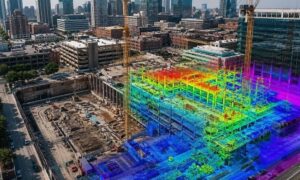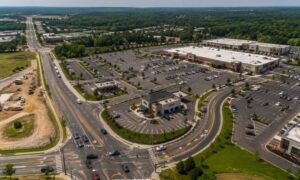
Nashville is growing fast, and the new East-Bank Tennessee Performing Arts Center (TPAC) shows how one project can reshape an entire district. The city recently committed $35.7 million to the roads, sidewalks, and systems around the site. This move is already changing how leaders think about urban planning in the East Bank. It also proves that a cultural building can affect traffic flow, drainage, utilities, and future land development. Civil engineers and developers can learn a lot from this project as Nashville continues to expand.
A New Direction for the East Bank
The East Bank has been part of Nashville’s vision for years, but the TPAC project speeds things up. A building this large affects more than the land it sits on. Streets may need realignment. Sidewalks must handle bigger crowds. Drainage systems need updates. The city also needs smooth ways to move people between downtown, the riverfront, and new mixed-use areas. Because of all this, TPAC is becoming a major anchor that will shape the East Bank for years ahead, and it’s already pushing the city to think more carefully about strategic land-use planning as new development begins to fill in around it.
Walkability Becomes a Priority
As soon as the plan moved forward, it became clear that Nashville wants a more walkable East Bank. The city is designing for people first, not cars. That changes how engineers plan access, safety, and movement.
Pedestrian bridges linking downtown to the East Bank need careful design. Traffic patterns must support large event crowds. Crosswalks, lighting, and sidewalks must help people feel safe. This shows how urban planning can create community-friendly spaces instead of just car-focused roads.
Stormwater Challenges Near the Riverfront
Civil engineers also see big challenges below the ground. One major issue is stormwater. Projects near the river face higher flood risks, especially during heavy rain. More paved surfaces mean more runoff. Without strong drainage design, nearby roads and buildings could flood.
Engineers must design systems that slow water down and move it safely. They may add detention areas, new inlets, or green space to help control runoff. These upgrades protect the TPAC site, but they also help the whole district handle storms better.
Why Engineers Must Work Together
The TPAC project shows how important teamwork is across all engineering fields. Transportation engineers plan traffic flow. Structural engineers look at bridges and foundations. Geotechnical engineers test soil near the river. Civil engineers handle grading, utilities, and site layout.
Urban planners bring all of these parts together with zoning and long-term city goals. When these groups work together from the start, the final design is safer, smoother, and easier to maintain long-term.
Early Planning Saves Time and Money
Another lesson from TPAC is the value of early engineering planning. Nashville is growing fast, and delays can raise project costs. If changes happen after construction begins, the cost rises even more.
Civil engineers prevent these issues. Early studies help designers catch problems before the project moves too far. This avoids regrading, utility moves, or last-minute drainage redesigns. It also helps speed up the permit process, which is becoming more detailed in the East Bank area.
Working With Nashville’s Agencies
Large civic projects involve many city groups—Public Works, Planning, Transportation, and environmental departments. Each group has its own rules and deadlines. Developers who do not plan early can face delays and redesigns.
The TPAC project makes this clear. Developers save time and avoid surprises when they understand the permit steps from the beginning.
Supporting Mixed-Use and Community Growth
Civil engineers also see big challenges below the ground. One major issue is stormwater. Projects near the river face higher flood risks, especially during heavy rain. More paved surfaces mean more runoff. Without strong drainage design, nearby roads and buildings could flood.
Engineers must design systems that slow water down and move it safely. They may add detention areas, new inlets, or green space to help control runoff. These upgrades protect the TPAC site, but they also help the whole district handle storms better.
The Role of Soil and Site Conditions
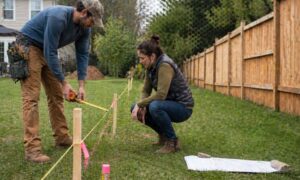
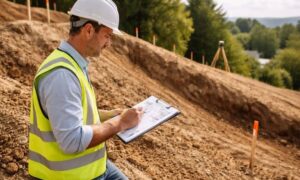
Stormwater isn’t the only environmental concern. Soil conditions near the river can change from one area to another. Old industrial land may have fill that needs extra testing. Geotechnical engineers study soil early because it affects foundation strength. If the soil cannot support the building, the project might face delays or major changes. Early testing prevents those problems.
What Civil Engineers and Developers Should Take Away
Even though TPAC is a cultural building, it teaches a bigger lesson: large public projects demand major civil-engineering work. Roads, sidewalks, drainage, lighting, and utilities all must adjust to support the new development. Developers who focus only on the building often overlook how much the surroundings matter.
For civil engineering firms, this creates a big opportunity. Firms with skills in traffic studies, stormwater plans, grading, and multi-agency coordination will be in high demand as Nashville grows.
Final Thoughts:
The TPAC project is more than a new arts center. It marks a shift in how Nashville plans its future. The city is choosing walkability, better drainage, stronger public spaces, and mixed-use design. Civil engineers and developers who understand these changes will be ready to lead the next wave of projects.
As the East Bank grows, the lessons from TPAC will guide other developments. With strong planning and reliable engineering support, the district will evolve in a way that serves residents, helps businesses, and supports Nashville’s long-term vision.