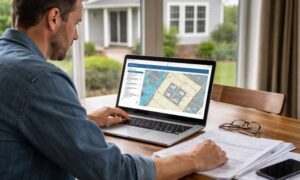
Lidar mapping is becoming one of the biggest changes in how the world measures land. A recent news story showed how a government overseas is now using high-resolution satellite images and Lidar data to update property lines and digitize land records. Even though this is happening outside the United States, the trend affects everyone, including surveyors and property owners. As this technology grows, it will bring new accuracy to the way we map, buy, and develop land.
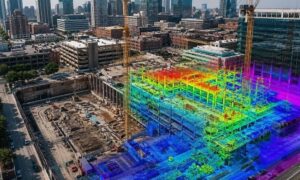
Lidar stands for “Light Detection and Ranging.” A sensor sends out thousands of tiny laser points each second, and the reflections create a detailed 3D picture of the ground. When you pair Lidar with sharp satellite images, you get maps that show every hill, dip, tree, and structure. This is why more countries now use Lidar to update old property records. It works faster, reaches places that are hard to survey, and helps create clean, modern maps that everyone can trust.
How Lidar Mapping Became a Global Trend

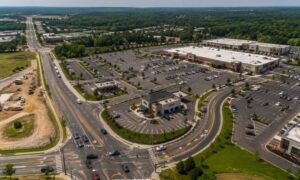
In the news example, officials used Lidar to rebuild whole land databases. Instead of depending on old drawings or outdated notes, they made digital maps that match the real ground. Many places still use paper plats drawn decades ago, so the lines may not match what people see today. This leads to confusion or arguments. With fresh Lidar data, these problems become easier to fix. It also improves planning for roads, utilities, and new buildings.
As more regions adopt Lidar, the impact spreads. The surveying industry begins to shift, and accuracy standards rise. Even states that have not made the switch feel the change because the tools and expectations improve everywhere.
Why Nashville Should Pay Attention
Nashville is growing fast, and fast growth puts pressure on accurate surveys. Many neighborhoods still use boundaries based on older methods. Some plats were drawn before GPS was common. When a city expands this quickly, even a small error can slow down closings, delay projects, or cause issues between neighbors.
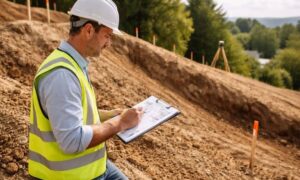
Terrain is another challenge. Nashville has rolling hills, wooded land, creeks, and flood zones. Lidar makes it easier to measure these areas because the laser points can reach the ground through trees and brush. Surveyors get a clearer picture of the land. Developers can understand the site before they move dirt. Property owners can see where slopes start, how water moves, and how their land connects to nearby lots.
How Lidar Mapping Improves Everyday Surveys
Traditional surveys work well, but they depend on physical markers and field measurement. If a marker gets buried, moved, or placed wrong years ago, the survey may not match the real site. Lidar gives surveyors a clear digital base to check their work. It helps confirm boundary locations and reduces mistakes.
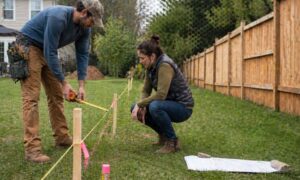
For homebuyers, this means fewer surprises. Many closings run into last-minute problems when a fence sits in the wrong spot or when a structure crosses onto a neighbor’s lot. When a local surveyor reviews the site using fresh Lidar data, they can catch these issues long before closing day, which makes the whole process smoother for everyone involved.
Developers also benefit. Projects in areas like Antioch, Donelson, and East Nashville move quickly, so accurate site data helps teams stay on track. Lidar creates strong topographic maps, which engineers use for grading and drainage design. Construction crews can stake out lines with more confidence, which reduces costly rework.
What Tennessee Must Do Before Modernizing Its Maps
Before this level of change comes to Nashville, a few steps must happen. Counties must update digital records, set accuracy rules, and decide how Lidar fits into state surveying laws. Surveyors must learn how to blend Lidar with fieldwork. Because property boundaries are legal documents, Tennessee must agree on how digital mapping works with long-time surveying rules.
Even with these steps, the future is easy to picture. Imagine opening a digital map of Nashville where every lot shows clear and accurate boundaries. Imagine updated topography for every parcel. Think about flood information shown cleanly and backed by strong data. This is what Lidar mapping provides, and Nashville will move toward it as the city grows.
Why Lidar Mapping Won’t Replace Licensed Surveyors
Some people worry that new technology will replace surveyors, but that will not happen. Lidar helps surveyors, but it cannot replace them. Only a licensed land surveyor can set corners, confirm boundaries, or prepare legal surveys like ALTA or construction staking surveys.
Surveyors still need to check monuments, easements, fences, and utilities. Lidar cannot make legal decisions. It is a tool that makes the work more accurate, not unnecessary.
How Can Prepare for This Change
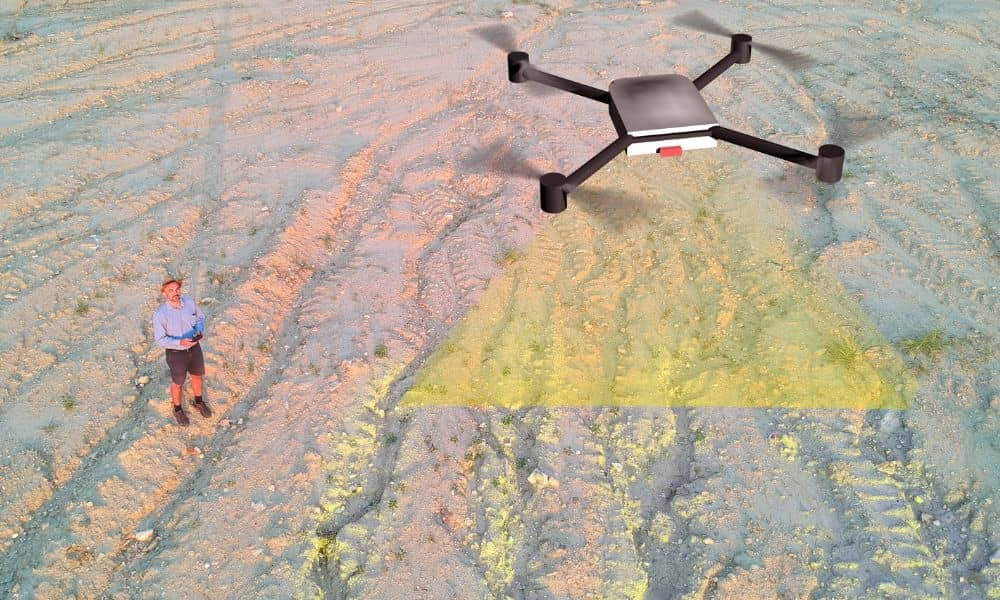
Surveyors may begin using drones that carry Lidar sensors. They may offer hybrid surveys that mix Lidar with field checks. Firms that adopt these tools early will give faster and clearer results. Property owners will see better maps, fewer disputes, and more confidence in their surveys.
If you plan to buy land, build a home, develop a site, or handle a property line question, the future will bring smoother steps and clearer answers. Better data means fewer surprises and less stress.
The Future of Survey Accuracy
As more regions adopt satellite and Lidar mapping, Tennessee will watch closely. When Nashville upgrades its mapping system, survey accuracy will improve in a huge way. Closings will move faster. Developers will plan with clearer information. Property owners will understand their land better than ever before.
Lidar mapping is more than a trend. It is the next big step in land measurement, and its impact will reach Nashville soon. The question is not if the change will happen, but when—and those who prepare early will benefit the most.