
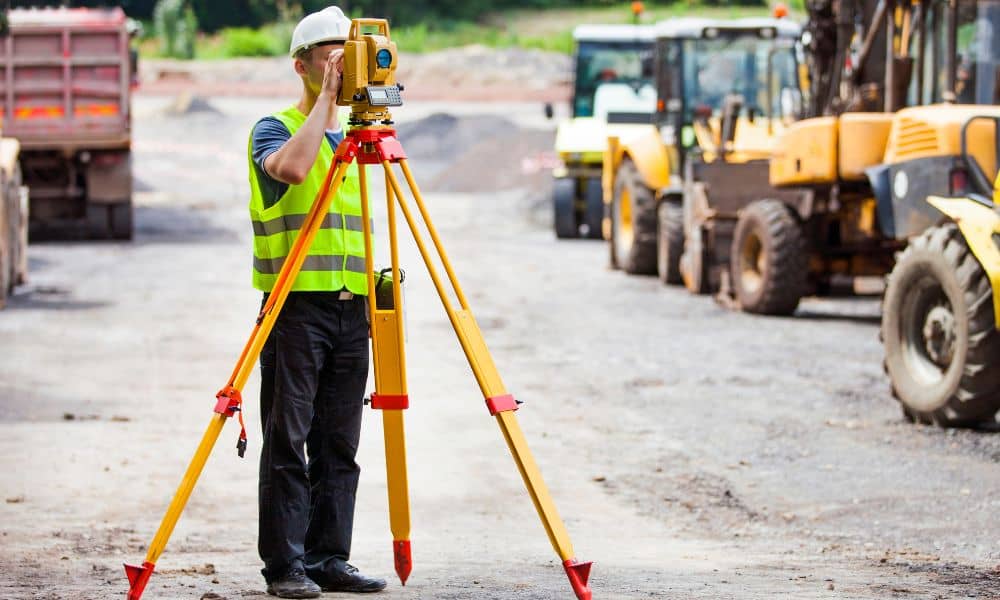
Buying a commercial property involves more than just price and location. Before a deal moves forward, buyers need clear facts about the land itself. That is where a due diligence survey becomes important. Early in the purchase process, this survey helps uncover risks that do not show up in listings, photos, or seller statements. Most importantly, it helps buyers make smart choices before expensive problems appear.
Still, many buyers misunderstand what this survey really shows. Some think it answers every legal or zoning question. Others skim it and miss warning signs. Knowing what a due diligence survey reveals—and what it does not—can help buyers avoid surprises after closing.
Why a Due Diligence Survey Matters in Commercial Property Deals
Commercial real estate comes with higher risk than residential property. Even a small issue can delay construction, affect financing, or limit how the property gets used. Because of that, lenders, attorneys, and investors depend on surveys during the review process.
A due diligence survey shows how the land exists in the real world. It often works with an ALTA/NSPS land title survey to give a clear view of boundaries, buildings, access, and recorded rights tied to the property. Together, these details help buyers understand what they are truly buying, not just what appears in the contract.
Rather than acting as paperwork, the survey works as a risk-checking tool. It points out conditions that could affect value, timing, or future plans.
Due Diligence Survey vs. a Basic Boundary Survey
Many buyers confuse a due diligence survey with a boundary survey. While both matter, they serve different purposes.
A boundary survey only shows property lines. It confirms where one property ends and another begins. This helps settle ownership questions, but it gives little insight for commercial use.
A due diligence survey goes further. It places property lines into context by showing buildings, access points, utilities, easements, and visible improvements. Because of this wider view, commercial buyers rely on it during negotiations, financing, and planning.
Simply put, a boundary survey shows where the land is, while a due diligence survey shows how the land works.
What a Due Diligence Survey Actually Reveals

One major benefit of a due diligence survey is how it shows limits tied to the land. The survey often displays recorded easements and encumbrances. These may include utility lines, shared driveways, drainage paths, or access rights for nearby properties. While these features may seem small, they can limit where buildings go or how a site can develop.
The survey also shows flood zone information and elevation-related details. Flood zones affect insurance costs and lender rules. In some cases, flood findings lead to extra requirements before closing. Seeing this information early helps buyers plan for added costs.
Setbacks and zoning clues also appear on a due diligence survey. Setbacks show how close buildings can sit to property lines. If existing structures sit too close, buyers may face limits on changes or expansion. While the survey does not replace zoning review, it often highlights issues worth checking further.
Access and utilities matter as well. A due diligence survey shows how people and vehicles legally enter the property and where visible utilities run. Without legal access, even a well-located site can lose value. That is why lenders focus closely on this part of the survey.
What a Due Diligence Survey Does Not Tell You
Even though a due diligence survey offers strong insight, it has limits. Knowing those limits helps buyers avoid wrong assumptions.
First, the survey does not guarantee zoning approval. Local planning offices make those decisions, and rules can change.
Second, it does not replace legal review. Attorneys still need to review title records, agreements, and lease terms.
Third, it does not predict future rule changes or nearby development. Markets shift over time.
Finally, it does not remove all risk. Instead, it helps buyers clearly see current risks so they can manage them better.
How Buyers Should Use a Due Diligence Survey
A survey only helps when buyers use it correctly. After receiving it, buyers should review it with their attorney, lender, and design team. Each group looks at the information differently.
Buyers should also ask clear questions. Do easements affect planned construction? Does flood risk raise insurance or loan costs? Do existing buildings meet setback rules? Asking these questions early prevents delays later.
When buyers treat the survey as a decision tool rather than a requirement, they stay in control of the deal.
Why Due Diligence Surveys Matter More in Active Commercial Markets
In fast-growing markets, property development becomes more complex. Older sites may include outdated easements or access paths that no longer fit current use. Redeveloped land may include overlapping utilities or nonconforming buildings.
Because of this, due diligence surveys become even more important. They help buyers move forward with clear information instead of reacting to problems after closing.
A Tool for Smart Decisions, Not Just Compliance
A due diligence survey does not slow deals down. Instead, it protects buyers from hidden issues that cost time and money later. It shows how the land really works and where limits exist.
Most importantly, it turns unknowns into clear facts. When buyers understand what the survey reveals—and what it does not—they make better decisions. That leads to smoother deals, stronger planning, and fewer surprises after purchase.
In commercial real estate, good information leads to better outcomes. A well-used due diligence survey helps make that happen.