
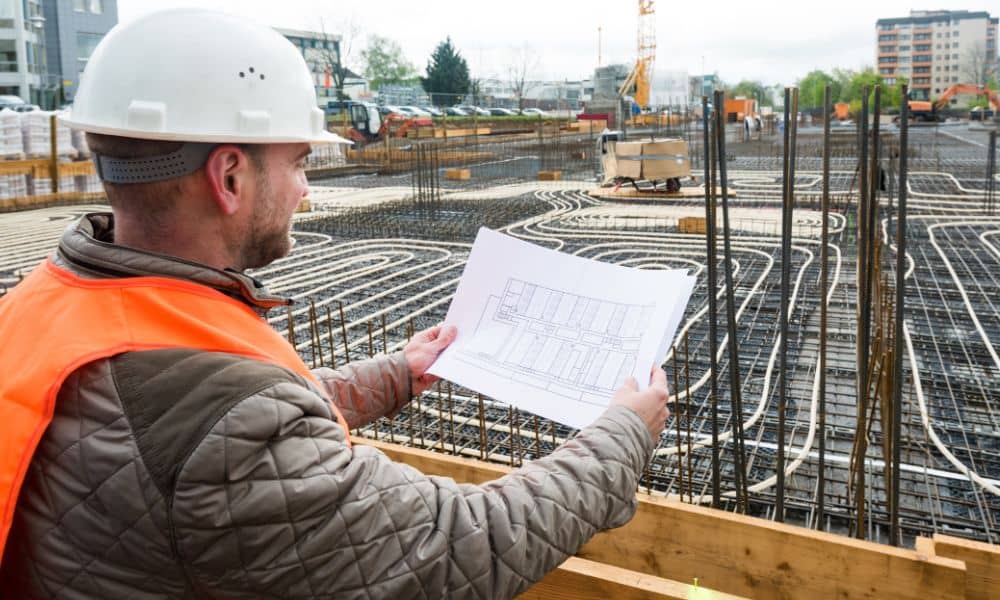
Nashville keeps growing. New homes, offices, and shops appear across the city almost every day. Yet behind every strong project, there is careful planning. Today, construction management plays a big role in deciding if a land deal will succeed or fail.
Years ago, buyers focused mainly on price and location. That has changed. Rising building costs, strict rules, and strong competition now shape every deal. Because of this, developers ask a new question. Instead of saying, “Can we buy this land?” they now ask, “Can we build here easily, safely, and on time?” That shift makes construction management a key part of land deals.
Why Nashville’s Development Market Has Changed
Many people move to Nashville each year. New jobs and businesses also arrive. As a result, the need for housing, offices, and stores keeps growing. Because of this demand, land prices rise and open space becomes harder to find.
At the same time, city rules become stricter. Developers must follow stormwater laws, traffic rules, grading limits, and zoning codes. These steps take time and planning. Meanwhile, labor and material prices change often. Because of this, mistakes now cost more than ever.
Strong construction management helps teams avoid costly problems. It allows them to plan early and fix risks before they grow.
What Construction Management Means Today
Many people think construction management starts when workers arrive on site. Today, it starts much earlier.
Modern construction management includes checking the land, studying drainage and slopes, reviewing utility access, estimating costs, and planning permit steps.
This early work helps developers understand if a project makes sense. Without it, land deals become risky guesses instead of smart choices.
Why Construction Management Now Decides Land Deals

Nashville projects face more challenges than before. Because of this, early planning now matters more than ever.
The city has strict stormwater rules. Many sites need ponds, pipes, or storage systems to control runoff. If these needs appear late, costs can rise fast. Good construction management finds these problems early.
Busy areas often need traffic studies and road changes. These upgrades cost money and take time. Early planning helps avoid major delays.
Sloped land, rock, and soil type affect how much digging is needed. Without early review, foundation costs can increase quickly.
Water, sewer, and power access also decide if land can support development. Early checks confirm if these systems can handle new buildings.
The city also reviews permits carefully. Missing steps can delay projects for months. Construction management helps guide this process smoothly.
Together, these factors show why construction management now shapes every serious land deal.
How Developers Use Construction Management Before Buying Land
Smart developers involve construction management teams early. This helps them test sites before spending large amounts of money.
First, teams review drainage, grading, traffic, and utilities. Next, they create early cost estimates. These steps show if a project fits the budget.
At the same time, developers plan approval steps. This helps avoid long delays.
Because of this early work, developers make better choices and protect their investments.
The High Cost of Poor Construction Management
Skipping early planning often leads to expensive mistakes.
Late stormwater problems can add large costs. Traffic upgrades may force redesigns that delay schedules. Utility upgrades can strain budgets.
Good construction management finds these risks early. Developers can then adjust plans, change pricing, or walk away before losing money.
Why Lenders and Investors Value Construction Management
Banks and investors want stable projects. They prefer clear budgets, firm schedules, and low risk. Because of this, they expect strong planning before giving approval.
When developers present clear construction plans, lenders feel more confident. This often leads to faster approvals and better loan terms.
Strong construction management protects both developers and investors.
The Shift Toward Smarter Development Planning
In the past, developers relied mostly on drawings. These plans looked good but did not always match real site conditions.
Today, successful teams focus on practical planning. They understand that construction management reduces delays, limits redesigns, and protects profits.
By involving engineers and construction managers early, teams build safer and smarter projects.
Why Construction Management Creates a Competitive Advantage
Nashville’s land market grows more competitive each year. Developers who move faster and plan better often win the best sites.
Strong construction management helps buyers study land faster, reduce risk, control costs, and speed up approvals.
Because of this, developers close deals with greater confidence and better results.
What This Means for Property Owners and Investors
If you own land or plan to invest, construction management should guide your choices.
Early site reviews reveal true development potential. This helps sellers set fair prices and attract serious buyers.
Likewise, investors who understand construction risks protect their money and avoid delays.
Final Thoughts
Nashville keeps growing, but development grows more complex each year. Because of this, success now depends on early planning.
Strong construction management turns risk into clarity. It protects budgets, shortens schedules, and improves results. Most of all, it helps turn land into successful projects.
In today’s market, construction management is no longer optional — it decides which land deals succeed.