

When a building failure shows up in the news, people often call it sudden. However, professionals in the field know a different truth. Most major structural problems leave clues long before anything serious happens. Small shifts, repeated repairs, and moisture issues often appear early. Unfortunately, many owners overlook them because they seem minor at first. A construction engineer reads buildings differently. Instead of seeing surface flaws, they see behavior patterns. That difference often decides whether a property stays safe or turns into a costly emergency.
Failures Usually Whisper Before They Shout
Buildings rarely move from “fine” to “dangerous” overnight. Instead, they change slowly. Materials expand and contract. Soil gains and loses moisture. Loads shift as spaces get modified. Over time, stress builds in specific areas.
Because these changes happen gradually, people get used to them. A door sticks for months. A crack gets patched twice. A low spot holds water after rain. Each sign feels manageable on its own. Still, together they often tell a bigger story.
That is where a construction engineer adds value. They connect small signals into a structural picture. As a result, owners gain clarity instead of guesswork.
The Story Behind Cracks Is More Important Than the Crack
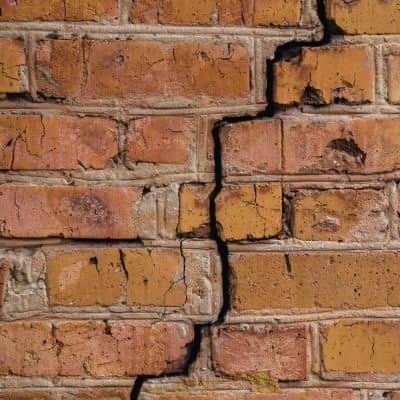
Cracks worry people — or they get ignored completely. Yet neither reaction helps without context. What matters most is not the crack alone, but its shape, direction, and growth.
For example, a thin vertical crack in drywall often comes from normal shrinkage. On the other hand, diagonal cracks near openings often suggest movement. Meanwhile, stair-step cracks in brickwork often point to foundation shift.
More importantly, repeating cracks matter more than isolated ones. When the same area keeps reopening after repair, movement likely continues underneath. In that case, cosmetic fixes will not solve the real issue.
A construction engineer studies crack patterns like a map. They look for direction and repetition. That approach turns random marks into useful data.
Movement Inside a Building Often Shows Up in Small Daily Annoyances
Many early warning signs feel more annoying than alarming. Doors stop closing smoothly. Windows drag. Floors feel slightly uneven. People adjust and move on.
However, these daily annoyances often connect to uneven settlement. One part of the structure may sink or shift faster than another. That difference creates internal stress across beams and walls.
So while minor settlement happens naturally, uneven settlement deserves attention. A construction engineer measures and tracks that movement over time. Then they decide whether the shift has stabilized or continues to grow.
This step matters because trend tells more than a single measurement. Direction and speed reveal risk level.
Water Problems Rarely Stay Cosmetic
Water seems harmless when it shows up as a stain or puddle. Many owners treat it like a maintenance issue. They seal a joint or improve drainage and assume the problem ends there.
However, water changes how structures behave. Wet soil loses strength. Metal connectors corrode faster. Concrete weakens through repeated moisture cycles. Over time, load support changes without obvious visual drama.
Because of that, a construction engineer follows the path of water, not just the visible damage. They ask where it starts, where it travels, and what it touches along the way. That investigation often reveals structural exposure that surface cleaning cannot fix.
Renovation Changes Can Shift Forces in Hidden Ways
Renovations improve function and value. Still, structural behavior does not always stay the same after layout changes. Removing a wall, adding rooftop equipment, or cutting a new opening changes how loads travel through a building.
The risk does not always look dramatic. In fact, many risky modifications look clean and professional. Yet without structural review, hidden overload can develop in beams or connections.
A construction engineer studies load paths before and after changes. They confirm that forces still transfer safely to the foundation. Therefore, even small remodels benefit from engineering review when structure plays a role.
When the Same Fix Keeps Coming Back, the Cause Still Lives There
Repeated repairs send a strong signal. If the same corner keeps settling or the same crack keeps reopening, something deeper drives the damage.
Many properties fall into a repair cycle. Patch, repaint, reseal — then repeat next year. While each repair looks successful at first, the root cause remains active.
A construction engineer breaks that cycle by tracing cause instead of symptom. They look at soil behavior, drainage, load, and connection details together. Once the cause becomes clear, the fix becomes lasting.
That shift saves both money and frustration over time.
How a Construction Engineer Turns Early Signs Into Prevention
The real advantage of early review is not just detection — it is planning. A construction engineer ranks risk and recommends timing. Some issues need immediate correction. Others need monitoring. Still others fit into scheduled repairs.
This balanced approach helps owners avoid panic spending while still protecting safety. Instead of reacting emotionally, they act strategically.
Moreover, documented evaluation supports insurance, budgeting, and property decisions. Good records often matter as much as good repairs.
The Smart Time to Ask for an Engineering Opinion
Many owners wait for obvious danger. However, the best time to call a construction engineer comes much earlier. New movement, repeating cracks, moisture near structure, or renovation plans all justify review.
Early evaluation usually costs far less than emergency repair. Even more important, it protects people and operations from disruption.
Major failures rarely arrive without warning. The signals show up first — quietly, slowly, and repeatedly. When someone trained knows how to read them, prevention becomes possible.
And in construction, prevention always costs less than surprise.