Nashville keeps growing fast. New homes rise in Antioch, Donelson, and across Davidson County. Families move in, streets fill up, and neighborhoods begin to feel busy. At first, everything feels exciting. However, once daily life begins, one issue often shows up quickly: rules. A recent neighborhood dispute in Antioch brought attention to strict parking limits and high towing fees. Residents felt frustrated about how rules were enforced and how little communication they received. While that situation involved a different type of community, the lesson applies to any housing subdivision. When rules feel unclear or too strict, problems grow fast.
For buyers and developers, that matters.
Why Rules Matter in a Housing Subdivision
Every housing subdivision has rules. Developers create them to protect property values, keep streets safe, and maintain a clean look. Without rules, roads could fill with parked cars. Yards could become storage spaces. Arguments could increase.
Still, rules must match real life. Many Nashville families own more than one car. Some homes have teens who drive. Others have roommates or work trucks. As the city grows, daily parking needs grow too.
When subdivision rules ignore how people actually live, tension builds.
Parking Is Often the Biggest Problem
Parking causes more fights than almost anything else in a housing subdivision. Streets built years ago now serve more homes and more cars. Driveways fill up quickly. Guests need space. Work vehicles arrive early.
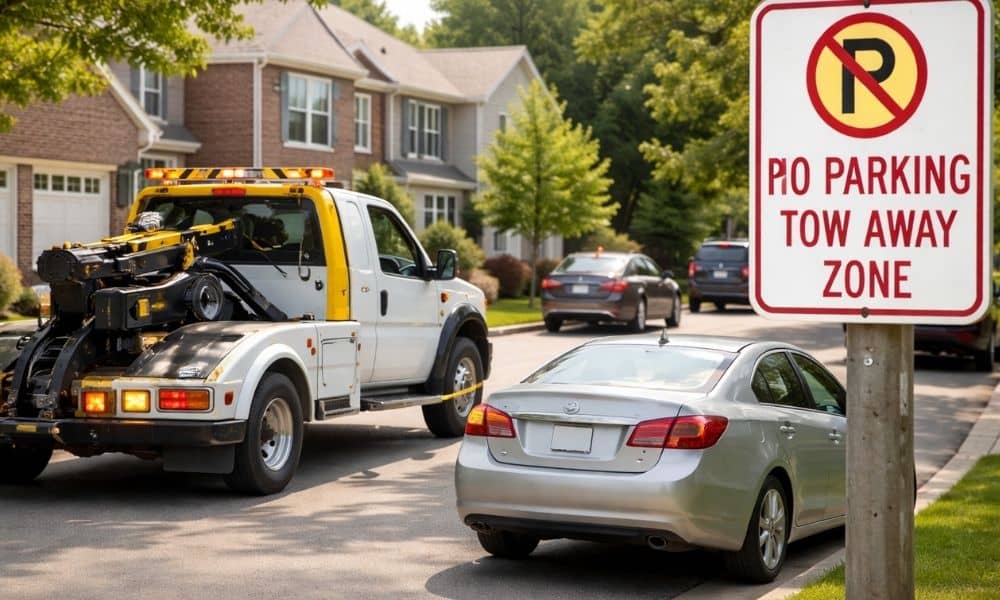
Because of this, some subdivisions ban overnight street parking. Others limit commercial trucks. Some hire towing companies to enforce the rules.
From a planning view, these rules protect safety. Emergency vehicles need open streets. Narrow roads cannot handle cars on both sides. Yet from a homeowner’s view, towing feels personal and upsetting.
That emotional reaction can turn a simple rule into a major conflict.
Towing and Trust
Towing sits at the center of many neighborhood disputes. HOAs can enforce rules if the governing documents allow it. However, just because something is legal does not mean it feels fair.
When someone wakes up and their car is gone, stress rises quickly. They miss work. They pay large fees. They feel targeted.
Strong housing subdivision communities understand this. They post clear signs. They send warnings. They give residents time to fix the issue. On the other hand, sudden towing without notice damages trust.
In Nashville’s busy real estate market, trust affects home values. People talk about their experiences. Online posts spread fast. One bad situation can shape how others see the entire subdivision.
Who Controls the Rules?
Not every housing subdivision works the same way. In many new developments, the builder controls the HOA at first. Later, homeowners take over.
This change matters.
Builders often focus on appearance and market value. Homeowners may care more about daily comfort and fairness. Therefore, buyers should learn who currently controls the board and when that control will shift.
The CC&Rs—Covenants, Conditions, and Restrictions—explain these details. While many buyers skip reading them, these documents shape daily life. They explain parking rules, design limits, and enforcement rights.
Reading them before closing can prevent problems later.
Nashville’s Growth Adds Pressure
Nashville continues to expand. More homes fit into smaller areas. As density increases, parking pressure grows.
Many families now live with multiple generations under one roof. Remote work keeps more cars at home during the day. Delivery traffic adds to the load. Streets that once felt open now feel tight.
Because of this growth, housing subdivision rules must adjust over time. Communities can update guidelines. They can improve communication. They can change how they enforce rules.
Growth does not have to create conflict. However, it requires smart leadership.
Resident Rights Still Matter
Even in a strict housing subdivision, residents have rights. They can attend meetings. They can review budgets. They can vote for board members. They can suggest changes.
Sadly, many homeowners stay silent until a problem happens. By then, anger runs high.
Getting involved early helps prevent bigger issues. When residents speak up, boards can fix problems before they grow. Open communication builds stronger neighborhoods.
A subdivision should feel supportive, not stressful.
What Buyers Should Think About
Buying in a housing subdivision means more than picking a house. Rules shape daily life.
Before buying, think about how your household works. Do you own several cars? Do you host overnight guests often? Do you drive a work truck?
Ask about towing policies and warning systems. Visit the neighborhood at night to see how parking looks. Talk to current residents about their experience.
Small questions today can prevent large problems later.
Smart Design Helps Avoid Conflict
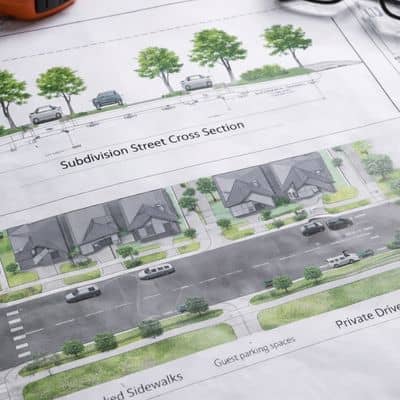
As a civil engineer, I know layout affects rule enforcement. Wide streets give more room. Clear signs reduce confusion. Guest parking lowers tension.
When developers plan carefully, they create smoother communities. Good design supports daily life. Fewer conflicts mean fewer enforcement problems.
The lesson from recent Nashville disputes goes beyond parking tickets. It shows how important planning and communication truly are.
The Bigger Lesson for Nashville
The Antioch situation teaches something simple: rules without clear communication divide people. A housing subdivision works best when rules stay clear, enforcement stays fair, and residents feel heard.
Nashville will keep growing. New subdivisions will continue to rise. Parking challenges will not disappear. However, communities that balance structure with fairness will succeed.
Whether you plan to buy or build, understand housing subdivision rules before conflict begins. Read the documents. Ask questions. Get involved.
After all, a subdivision should feel like home—not a daily fight over parking spaces.