
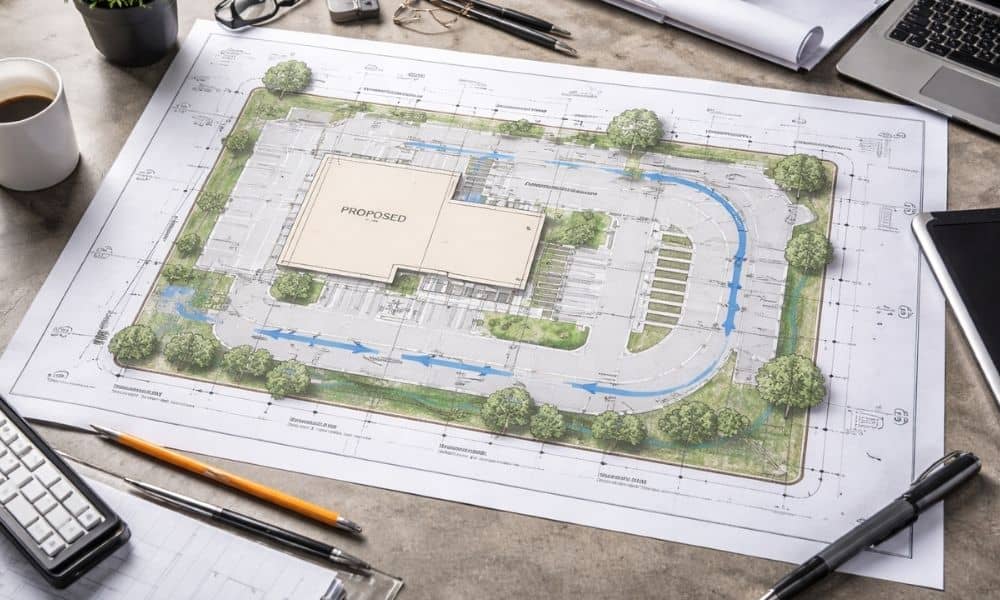
If you’re planning to build, you probably expect delays during construction. However, most problems start much earlier. In fact, many projects get stuck during the permit stage. You submit your plans, wait for approval, and then get hit with comments, revisions, and more waiting. That’s frustrating. More importantly, it’s avoidable. The truth is simple. A strong engineering firm knows what the city wants to see before plans ever get submitted. Because of that, they can help you avoid delays and keep your project moving from day one—and in most cases, that really just means getting the right guidance early in your site planning process.
Why Nashville Projects Get Stuck Before Construction Even Starts
Nashville continues to grow fast. New homes, new developments, and new builds happen all over the city. Because of this growth, the review process has become stricter.
Your plans don’t go through just one review. Instead, multiple departments look at them. Zoning checks the layout. Stormwater reviews drainage. Codes makes sure everything meets building rules.
So, even one missing detail can slow everything down.
Most delays don’t happen because of big mistakes. Instead, they come from small gaps. A missing note. An unclear drawing. A detail that doesn’t match another page.
That’s where the right engineering firm makes a difference. They don’t just create plans. They prepare them in a way that passes review the first time.
It All Starts With the Right Property Information
Every site plan begins with the property itself. However, if that information is wrong, everything else becomes a problem.
For example, if a building sits too close to a property line, the city will flag it right away. The same thing happens if easements are missing or unclear.
Because of that, a reliable engineering firm will first make sure they have accurate survey data for your property so they’re not guessing on boundaries, setbacks, or access points. They also look for hidden issues that may not be obvious at first.
When this step is done right, the rest of the plan has a strong foundation.
A Site Layout That Actually Works in Real Life
Next comes the layout. This shows how your property will function once it’s built.
At first glance, this may seem simple. However, in Nashville, many lots come with tight space and strict rules. That means every detail matters.
A good layout must make sense for daily use. Cars need space to enter and exit. Parking must fit properly. Access points must follow local rules.
At the same time, everything must stay within setbacks and zoning limits.
A skilled engineering firm balances all of this. They don’t just place a building on a lot. Instead, they design a layout that works in real life and meets city requirements at the same time.
Why Stormwater Is the #1 Reason Plans Get Rejected
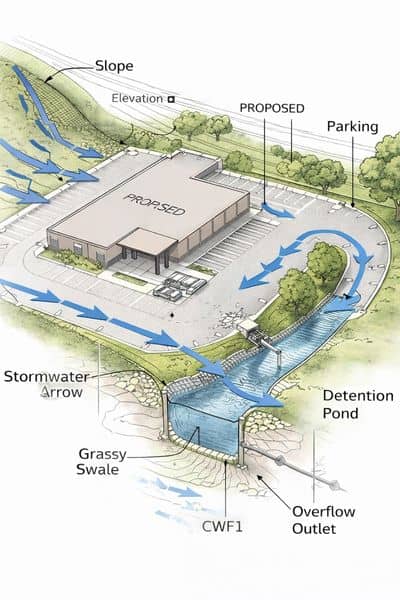
Now let’s talk about the biggest issue—stormwater.
When it rains, water flows across your property. If your plan does not show where that water goes, the city will not approve it. It’s that simple.
However, many plans fall short in this area. Some forget key calculations. Others don’t clearly show drainage direction. As a result, reviewers can’t confirm that the site will handle water safely.
That leads to delays.
A strong engineering firm takes this seriously. They design a clear drainage plan that controls runoff and protects nearby areas. At the same time, they present it in a way that reviewers can quickly understand.
Because of that, this part of the review process moves much faster.
Grading Plans That Prevent Future Problems
Grading shows how the land will change during construction. While it may not seem exciting, it plays a huge role in approval.
If grading is unclear, it raises concerns right away. Water may flow toward nearby properties. Slopes may be too steep. Drainage may not work as planned.
These concerns can delay your project.
An experienced engineering firm designs grading with care. They make sure water flows away from structures and does not create problems for neighbors. They also present elevations clearly so reviewers can see exactly what will happen on site.
Because of that, you avoid both permit issues and future headaches.
Utilities Can Make or Break Your Timeline
Every project needs utilities. Water, sewer, and other connections must all work together.
However, this is where many plans run into trouble. Utility lines can conflict with buildings, driveways, or each other. When that happens, plans must be revised.
That takes time.
A dependable engineering firm plans utilities early in the process. They look at connection points, possible conflicts, and required adjustments. As a result, they prevent surprises during review.
This step may seem small, but it can save weeks of delay.
Clear Plans Move Faster Through Review
Even a well-designed plan can get delayed if it’s hard to read.
Reviewers go through many projects every day. If your plan is unclear, they won’t spend extra time trying to figure it out. Instead, they will send it back with comments.
That’s why clarity matters.
A professional engineering firm creates clean and simple drawings. Labels are easy to follow. Notes are clear. Everything connects from one sheet to the next.
Because of that, reviewers can quickly understand the plan and move it forward.
What Delays Really Cost You
When a site plan gets delayed, the impact goes beyond paperwork.
You may have to wait weeks for re-review. Contractors may need to reschedule. Costs can increase. Timelines shift.
In some cases, the project doesn’t move at all.
That’s why getting it right the first time matters so much. A strong engineering firm helps you avoid these problems before they start.
The Right Engineering Firm Changes Everything
Not all firms work the same way. Some focus only on drawings. Others focus on results.
The right engineering firm understands Nashville’s process. They know what reviewers look for. More importantly, they prepare your plans to meet those expectations from the start.
Because of that, your project moves faster, smoother, and with fewer surprises.
Start Early to Avoid Delays Later
One of the biggest mistakes property owners make is waiting too long to bring in help.
Instead, work with an engineering firm early in your project. Do it before finalizing your design. Do it before submitting anything to the city.
This early step gives you a clear path forward.
Final Thoughts
Permit delays in Nashville don’t happen by accident. Most of them come from missing details, unclear plans, or poor preparation.
However, you can avoid all of that.
With the right engineering firm, your site plan includes everything the city needs to see. As a result, your project moves through approval faster and gets one step closer to construction without unnecessary delays.