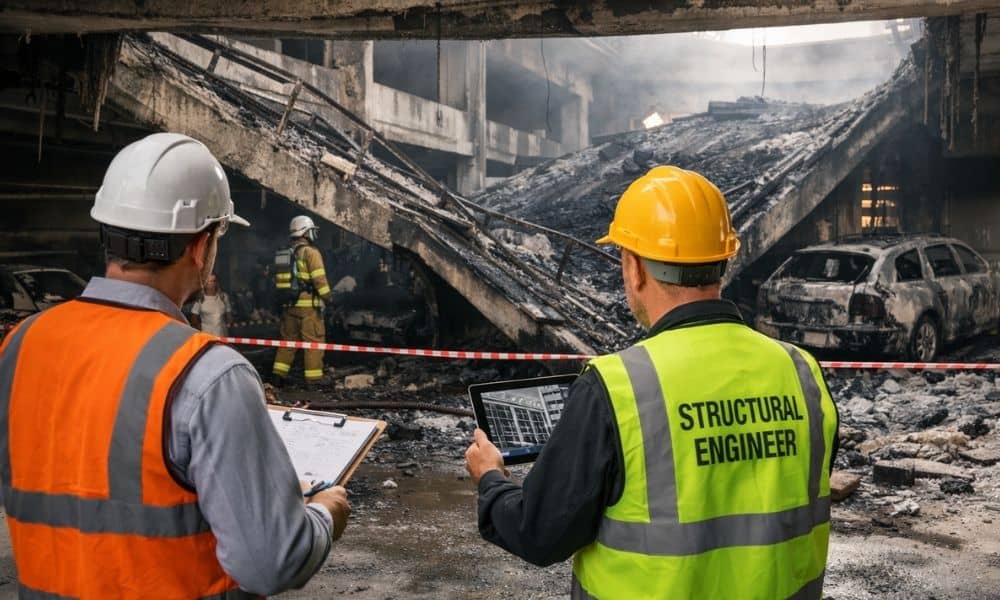
A big fire broke out in the downtown parking garage near the Nashville Public Library. Flames and smoke filled the air, and parts of the garage were badly damaged. One of the ramps even collapsed, and firefighters spent hours making sure everyone was safe. People watched the fire on TV and online, and thankfully, no one was hurt. But once the flames were out, the garage stayed closed for months. The worry wasn’t just about burned cars — the bigger question was whether the building itself was still safe. That’s when a structural engineering assessment comes in. Engineers use it to look closely at the building, checking everything from floors to support beams, so they know what needs repair before anyone can safely use it again.
What Structural Engineering Means
Structural engineering might sound complicated, but really, it’s just about keeping buildings safe and standing strong. Engineers check how a structure holds weight and how it reacts to stress — whether from weather, daily use, or accidents like fires.
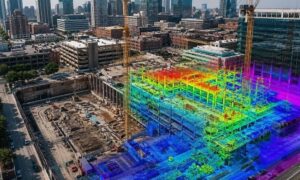
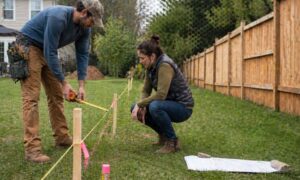
After the Nashville garage fire, the main questions were simple: how badly was the building damaged, and could it still hold cars safely? To answer this, engineers don’t just examine the beams and floors. They also step back and look at the property as a whole using a building site survey. Seeing how the site is laid out helps them spot areas that need extra attention and understand which parts are still solid. With this full picture, they can decide what repairs are necessary and make sure the building is safe to use again.
Hidden Dangers Fires Can Cause
After a fire, people usually notice black soot, burned cars, or collapsed sections. But fire can also damage parts of a building that aren’t easy to see. Concrete might look fine on the outside, but heat can make it crack or flake inside. Steel beams may appear straight, but after being exposed to high temperatures, they can lose strength. Even a floor that looks okay may no longer be safe.
These hidden dangers are exactly why structural engineers are needed. Without a careful check, small problems can quickly turn into serious risks.
How Structural Engineers Check for Damage
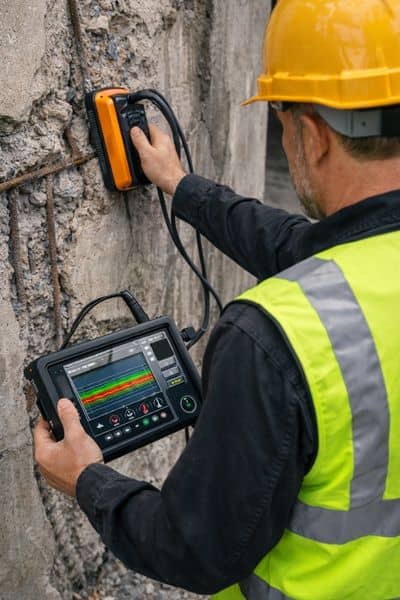
Structural engineers do more than just look around. They use special methods to find problems that the eye can’t see.
They start by inspecting cracks, bends, and chips closely. Even small signs can reveal bigger issues. They also use tests that don’t damage the building to see inside concrete and steel safely.
Then they calculate how much weight each beam or floor can hold. Engineers use these calculations to ensure everything can carry cars or people safely. They also check the safety factor — a kind of built-in cushion that helps keep the building secure even if something goes wrong.
After these checks, they decide: is the building safe? Does it need repairs? Or do parts need to be rebuilt? This careful work is the heart of structural engineering.
Why This Matters for Property Owners
The Nashville garage fire shows why owners, managers, and developers should care about structural checks. Safety is the first priority. Structural engineers protect people by making sure buildings don’t collapse.
Getting a proper check can also save money. Fixing small problems early is much cheaper than dealing with a major failure later. Insurance companies often require engineers’ reports after incidents like fires, which helps with claims and guides repairs.
Knowing a professional has checked the building also gives peace of mind. Tenants, visitors, and staff can feel confident that the structure is solid and safe.
What’s Happening with the Nashville Garage
Officials in Nashville are fixing and supporting the damaged garage. Temporary supports hold weak parts safely, and more inspections are underway to determine exactly what repairs are needed. Engineers are taking their time to make sure everything is done right — safety can’t be rushed.
A Simple Takeaway
The Nashville parking garage fire was dramatic, but the biggest danger came after the flames were out. Hidden damage can make a building unsafe even if it looks fine. That’s why structural engineering matters most.
Structural engineers don’t just fix what’s broken. They find hidden problems, keep people safe, and make sure buildings can be used every day. That’s why the garage is still closed and why experts are taking their time.
Next time there’s a fire or major accident, remember: it’s not just the damage you can see. The real risk is inside the structure, where trained engineers can spot and fix hidden problems.