
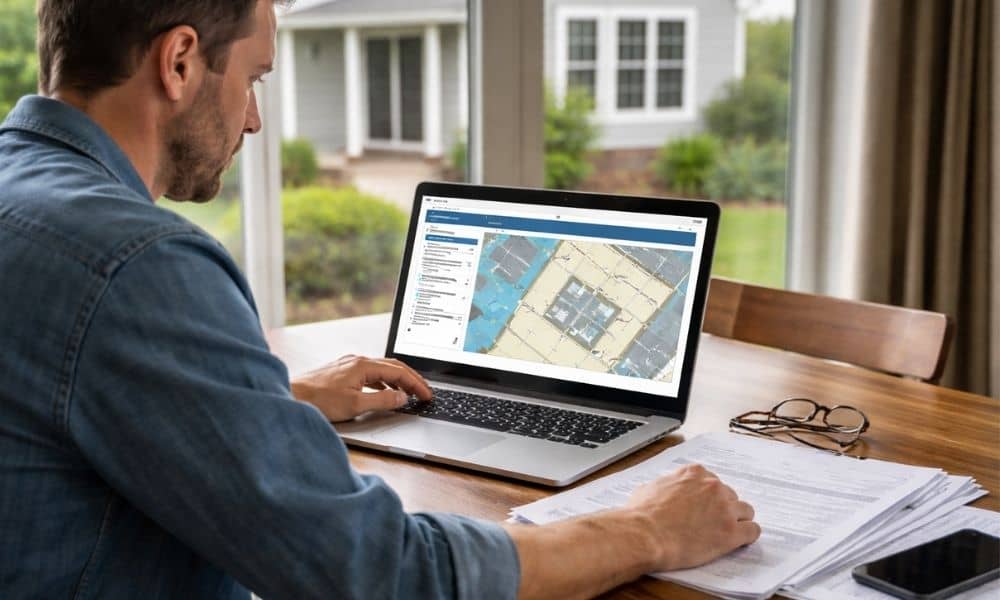
You’re buying a home, fixing up your property, or dealing with a lender. Then someone asks for an elevation certificate.
Most people panic. They assume they need to hire a surveyor right away.
Take a step back.
There’s a good chance you already have an elevation certificate for your property somewhere in your records. You just haven’t come across it yet.
If you check first, you can save time and money. You also avoid calling surveyors for something you may not even need.
Here’s how to find it in Nashville.=
Why an Elevation Certificate Might Already Exist
Many Nashville properties already have an elevation certificate on file. This happens more often than people think.
If your home sits near a flood zone, there’s a good chance one was created before. The same goes for newer subdivisions or homes built in the last 10 to 20 years.
Builders often order one during construction. Lenders may request one during a past sale. Even insurance companies sometimes require it.
So instead of starting from scratch, you should assume one might exist. Then you work backward and try to find it.
Start with Nashville’s Parcel Viewer
This is the easiest place to begin.
The Parcel Viewer is a public tool that shows property records in Nashville. You can search using your address or parcel number.
Once you find your property, look for attached documents. Some records include flood-related data or supporting files tied to your lot.
You may not see the full elevation certificate there. Still, this step gives you a quick answer in a few minutes.
If nothing shows up, don’t worry. Many records are stored elsewhere.
Check Local Floodplain Tools
Next, look at Nashville’s flood information tools.
These tools tell you if your property sits in a flood-prone area. They also show base flood elevation levels and map zones.
Why does this matter?
If your property falls inside a flood zone, someone likely measured elevation data at some point. That increases your chances of finding an existing elevation certificate.
If your property sits outside a flood zone, the chance drops. Still, it’s not zero.
This step helps you understand whether it’s worth digging deeper.
Contact Metro Offices for Property Records
Online tools don’t always show everything. Some records stay in city files.
At this point, you should contact Metro Water Services or the local floodplain office.
Be clear when you ask. Say you’re looking for an existing elevation certificate tied to your property.
Give them your address and any parcel details you have.
This step works better than guessing. It also saves you from calling random surveyors who don’t have access to city records.
Ask the People Involved in Past Transactions
This is where most homeowners miss an easy win.
Elevation certificates often move between people during a sale. They don’t always get uploaded to public systems.
Start with the previous owner if you can reach them. Many keep copies of closing documents.
Then check with the title company. They handle paperwork during property transfers, so they may still have a copy.
You can also ask your lender or insurance agent. If the home had flood insurance before, there’s a strong chance they’ve seen the document.
If your home is newer, contact the builder. Builders sometimes keep records for multiple homes in the same area.
These steps take little effort. Still, they solve the problem more often than you’d expect.
When an Existing Elevation Certificate Won’t Work
Finding a document is one thing. Using it is another.
Sometimes the elevation certificate is too old. Flood maps change, and requirements shift over time.
Other times, the property itself has changed. Maybe the owner added a room. Maybe the land was regraded. Even small changes can affect elevation data.
You might also find a certificate that lacks key details. Lenders and agencies may reject it if it doesn’t match current standards.
So even if you find one, check if it still fits your situation.
When You Need a New Elevation Certificate
At some point, you may hit a wall.
You check the online tools. You call the city. You ask everyone involved. Still nothing.
Or maybe you find a document, but it doesn’t match what you need today.
That’s usually when people stop searching and just decide to get an elevation certificate for your property and move forward.
This comes up when no record exists, your lender asks for an updated version, or the property has changed over time. It can also happen during permits or approvals.
At that point, you’re no longer guessing. You can move ahead with confidence.
What Happens When You Order One
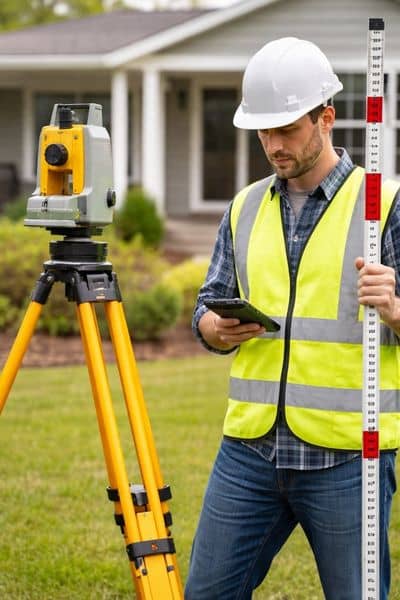
A licensed land surveyor handles the process.
They visit your property and take elevation measurements. They check key points around the structure and compare them to known reference levels.
After that, they prepare the elevation certificate for official use.
The process is straightforward. The key is knowing when you actually need it.
Why This Step Matters More Than People Think
Many homeowners waste time here.
They call five surveyors. They ask for quotes. They wait days for responses.
Then they find out a document already existed the whole time.
That’s avoidable.
If you spend a little time checking first, you stay in control. You move faster, and you avoid paying for something twice.
In Nashville, there are clear places to look. Most people just don’t know about them.
Final Thought
An elevation certificate feels like a sudden problem when someone asks for it.
In reality, it’s often a paper trail that already exists.
Check the records. Ask the right people. Use the local tools available.
If nothing turns up, then you order a new elevation certificate with confidence.
That’s the difference between reacting and handling it the right way.