You’re ready to build a fence. The design is set, the contractor is lined up, and the yard looks straightforward. Then one question slows everything down.
Do you know exactly where your property line is?
Most homeowners in Nashville feel confident at this point. There’s usually a plot plan from closing. It shows the lot shape, the house placement, and a clean outline of the boundaries. That feels enough to move forward.
Then the contractor hesitates. Or a neighbor asks where the line sits. Suddenly, that simple plan doesn’t feel so solid anymore. That’s when the idea of calling a licensed surveyor comes up, and the project shifts from simple to uncertain.
Why Fence Projects Put Pressure on Property Lines
Fences don’t leave much room for error. You’re building right along the edge of your property, so even small mistakes become visible right away. A few inches off might not seem like much at first, yet it can create bigger issues once the fence is in place.
Unlike other upgrades, you can’t adjust a fence easily. You can’t shift it over a bit after installation without tearing sections out. That’s why fences create tension that other projects don’t.
At the same time, neighbors pay attention. A fence changes how space feels and how boundaries are respected. Even if no one says anything during construction, concerns often show up later.
Where Plot Plans Start to Fall Short
Plot plans look clean and official. They show lines, measurements, and structure placement, so it’s easy to trust them. However, they don’t always reflect what’s happening on the ground today.
Most plot plans come from older records or scaled drawings. They give a general layout, not a verified boundary. They don’t confirm whether markers are still in place or whether conditions have shifted over time.
Because of that, using a plot plan to place a fence can feel accurate while still being slightly off. That small gap between paper and reality is where problems begin.
What a Licensed Surveyor Brings to the Project
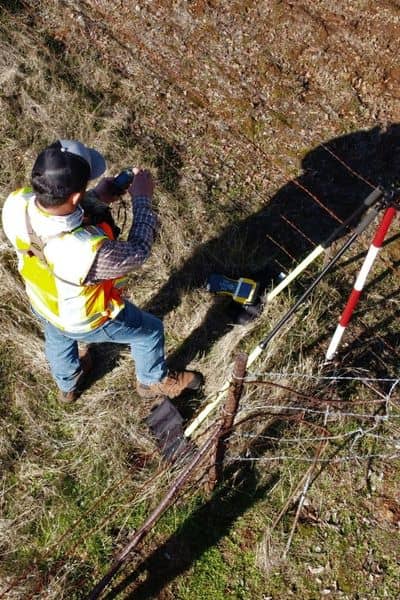
A licensed surveyor works differently. Instead of relying on existing drawings, they go out to the property and confirm the boundary in real conditions.
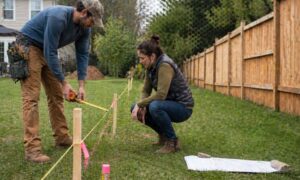
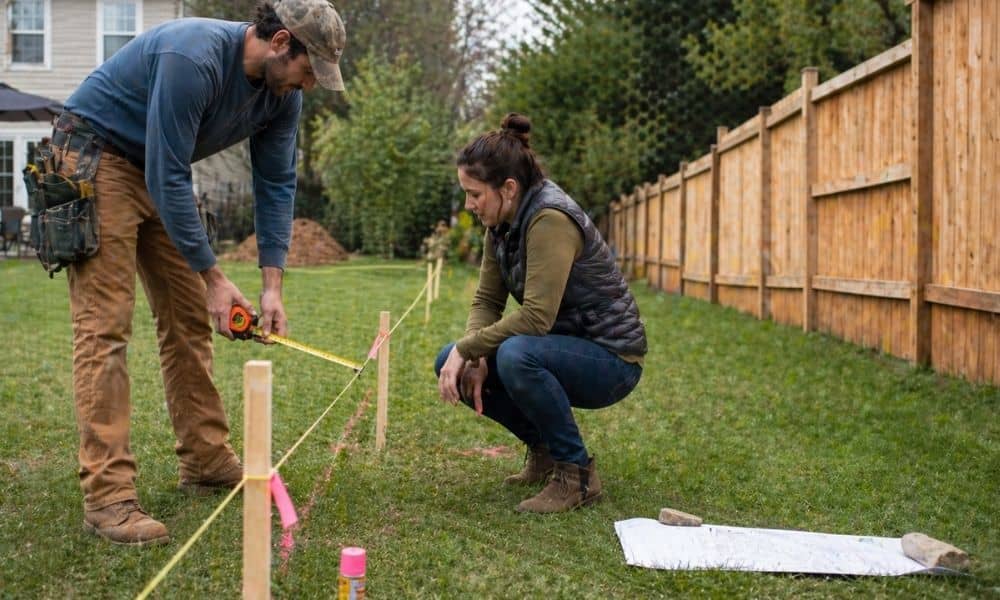
They locate markers, measure distances, and match everything to the legal description tied to your property. Then they mark the actual line on the ground so your contractor knows exactly where to build.
That changes the entire process. You’re no longer working from an estimate. You’re working from verified information that holds up if questions come up later.
Why Nashville Fence Projects Often Pause Midway
Many fence projects move quickly until they reach the boundary line. That’s usually where hesitation shows up.
A contractor may stop if the line isn’t clear. A neighbor might question placement. Sometimes the fence sits too close to the edge, and no one wants to risk crossing it.
At that point, everything slows down. Materials may already be on-site, and labor may already be scheduled. Waiting for clarification at this stage adds stress that could have been avoided earlier.
The Cost Concern That Stops Homeowners
This is where most people hesitate. The fence already costs money, so adding a survey feels like an extra step that wasn’t part of the original plan.
The reaction is understandable. A plot plan is already in hand, so paying for another service doesn’t always make sense at first glance.
However, the cost of a licensed surveyor covers more than measurements. It includes the responsibility of confirming boundaries that affect ownership, construction, and future transactions. That level of accuracy carries weight that a basic drawing does not.
What Can Go Wrong Without Verified Boundaries
Some projects move forward without a survey, and nothing happens right away. The fence goes up, and everything looks fine.
Then something changes.
A neighbor questions the line. A new survey reveals a difference. A future buyer asks for verification. What seemed like a small decision earlier turns into a larger issue.
At that stage, options become limited. Adjustments cost more. Delays stretch out. Tension builds where none existed before.
How a Licensed Surveyor Keeps the Project Moving
Bringing in a licensed surveyor early shifts the timeline in a better direction. Instead of reacting to problems, you prevent them.
The boundary gets confirmed before construction begins. The contractor builds with confidence. The neighbor sees clear markings instead of guessing where the line sits.
Everything moves with fewer interruptions. That alone can save time and avoid last-minute decisions.
Why This Step Matters More Than It Seems
A fence may feel like a small project, yet it sits on one of the most sensitive parts of your property. That’s why accuracy matters more here than in many other upgrades.
When the line is clear, the entire project feels easier. There’s less doubt, fewer questions, and no need to revisit decisions later.
A licensed surveyor doesn’t complicate the process. They remove uncertainty from it. And when you’re building something permanent along your boundary, that clarity is worth having from the start.