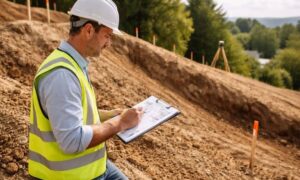
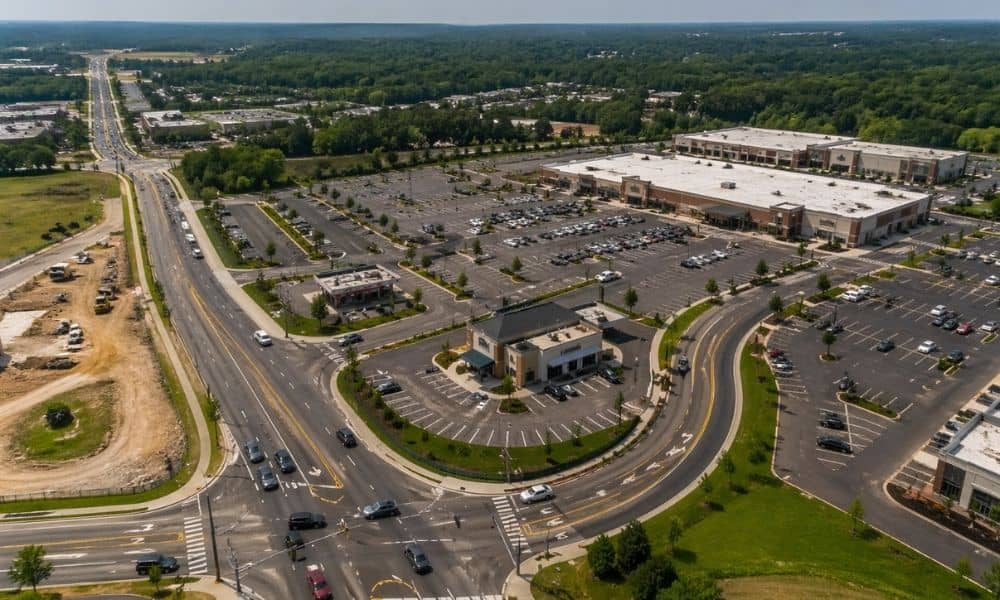
Nashville has been talking about the East Bank project a lot lately. People are not just excited. Many are worried. They are asking questions about traffic, access, and how the area will handle new growth.
At first, this sounds like a zoning issue. It feels like a city planning debate. Yet the real concern sits deeper. These worries come from early site development decisions.
Big projects make these problems easy to see. Still, the same issues show up on smaller sites all the time. A retail lot, a subdivision, or a small commercial build can run into the same trouble.
That is why this debate matters to anyone planning a project.
Early Decisions Shape the Entire Site
Every project begins with a layout. It decides where buildings sit, where cars come in, and how people move around the space.
At first, it all looks simple. It rarely is.
Once that layout is in place, changes get tough. Move an entrance, and traffic can back up. Shift a building, and spacing can fall out of line. Fix one issue, and another one often shows up.
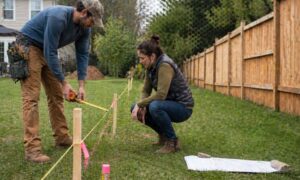
That’s where many projects run into trouble. The plan looks good on paper, but real use tells a different story. A lot of people start with a land survey before they lock anything in, just to make sure everything lines up.
That’s also what people are reacting to in the East Bank discussion.
Access and Traffic Issues Start Early
Traffic is one of the biggest concerns in Nashville right now. People worry about congestion, long waits, and unsafe turns.
Those problems do not appear out of nowhere.
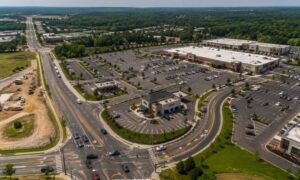
They begin with how a site connects to the road. A single entrance might not be enough. A poorly placed driveway can create backups. Tight turns can slow everything down.
Even small sites can cause issues. A busy retail strip can clog nearby roads if access points are not planned well.
Drivers notice this right away. So do neighbors.
That is why access planning matters more than people think.
Internal Movement Often Gets Overlooked
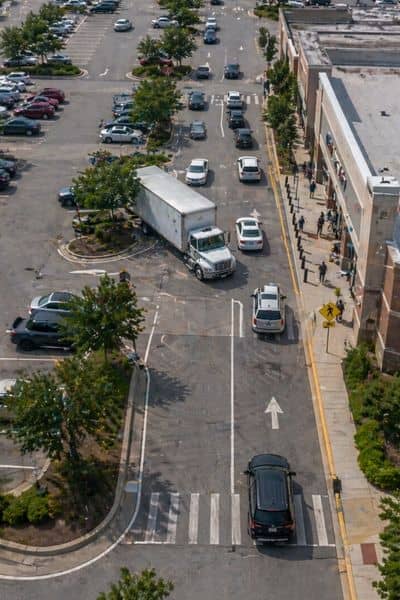
Getting cars into a site is one thing. Moving them through the site is another.
Poor internal layout creates confusion. Cars cross paths. Delivery trucks block lanes. Pedestrians feel unsafe.
These problems are easy to miss during early design. A plan might look clean on paper. It may even meet basic rules.
Then real use starts.
Cars line up in the wrong places. Drivers cut through areas not meant for traffic. Conflicts happen between vehicles and people.
This is not a rare issue. It happens on small and large projects alike.
The East Bank concerns reflect this. People are thinking about how movement will work once everything is built.
Infrastructure Assumptions Can Slow Everything Down
Another hidden problem shows up later in the process. Many projects assume that water, sewer, and power are ready to go.
That is not always true.
A site may need upgrades before it can support new buildings. These upgrades take time. They also cost money.
When this step gets skipped early, delays follow. Plans must be revised. Timelines shift. Budgets grow.
For large projects, the impact is huge. For smaller projects, it can still stop progress.
Good site development checks these needs early. It does not wait until problems appear.
Site Constraints Change the Plan Fast
Every piece of land has limits. Some sites have tight space. Others have nearby properties that affect layout.
These limits shape what can be built and how it fits.
Ignoring them early creates problems later. A building may need to move. Parking may not fit. Access may not work as planned.
Changes at this stage are not small. They can force a full redesign.
This is why early review matters. It helps catch issues before they grow.
The East Bank debate shows how these constraints become public when they are not fully addressed early.
Public Pushback Often Starts at the Site Level
People do not usually react to technical plans. They react to what they feel.
They notice traffic getting worse. They see crowded roads. They deal with harder turns and longer waits.
These are site-level problems.
When a project does not handle them well, people speak up. That is what is happening in Nashville.
The debate is not just about growth. It is about how that growth will function day to day.
That is why site development decisions matter so much.
What This Means for Property Owners
You may not be building something as large as the East Bank project, but the same ideas still apply.
Every site has to work in real life. It needs to handle traffic, access, and daily use without creating problems.
Basic approvals won’t guarantee that. A plan can check all the boxes and still fall short once people start using the space.
That’s why it helps to slow down a bit at the start and really think things through. Spending more time onearly-stage site development planning helps you catch issues while they’re still small and easier to fix.
Picture how people will move through space. Imagine cars coming in and out. Look at how the property connects to the road.
It may seem simple, but these small details shape how the site performs later. Getting them right early can save time, money, and a lot of frustration.
Bringing It Back to Nashville
The East Bank project is getting attention because of its size. Still, the concerns people raise are not new.
They show what happens when early site decisions meet real-world use.
Large projects make these issues visible. Smaller ones deal with the same risks, just on a different scale.
That is why early site development decisions deserve more focus.
They shape how a project performs, how people experience it, and whether it works as planned.