Nashville keeps building. New apartments, new offices, new mixed-use spaces. You see cranes across the skyline, and it feels like every block has something going on.
Still, most people only see the finished building. They don’t see what happens before that. And that’s where problems usually begin.
Plans may look solid. Permits may get approved. But once crews step onto the site, things can shift fast. That’s why a site engineer matters before construction even starts.
Growth Is Moving Faster Than Coordination
Projects today move quickly. Owners want to start sooner. Contractors want to stay on schedule. Everyone wants to avoid delays.
At the same time, sites in Nashville are getting tighter. Roads stay busy. Nearby properties stay active. Space for staging and equipment is limited.
So pressure builds early. Crews arrive, materials get delivered, and work begins. But if no one has checked how everything fits together on the ground, issues show up right away.
And once work starts, every small issue costs time.
Most Problems Begin Before the First Day of Work
Early stages feel simple. Clear the site, bring in equipment, and get ready to build.
In reality, this is where projects start to drift.
Access points may not work for large trucks. Equipment may not have enough space to move. Crews may arrive without clear staging areas. Even small layout errors can throw off the next phase.
None of this shows up on paper. It only shows up when boots hit the ground.
That’s why early site checks matter more than most people think.
What a Site Engineer Looks at First
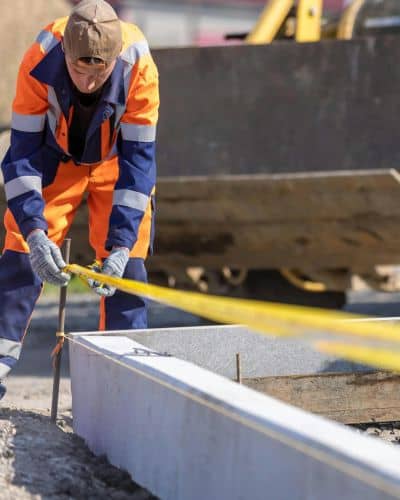
A site engineer focuses on what will actually happen once work begins.
They look at how trucks enter and leave the site. They check if there’s enough room to unload materials without slowing everything down. They also consider where crews will store tools and supplies so the area doesn’t get crowded.
They verify layout points, making sure everything lines up on the ground the way it’s supposed to. That’s where getting the site layout right before construction begins really matters. Even a small miss here can throw off the entire build.
They also pay attention to how different teams will move through the site. One crew may need space while another is still finishing up. If the timing overlaps without a plan, things slow down fast.
All of this happens before construction really picks up. When it’s handled early, the rest of the project tends to run much more smoothly.
Plans Don’t Always Match the Site
Approved plans assume things go smoothly. They assume clear access, steady ground, and clean transitions between phases.
Real sites rarely work that way.
A driveway may look wide enough on paper but feel tight when trucks arrive. A staging area may exist in the plan but sit too close to active traffic. Even simple tasks can take longer if the space does not allow smooth movement.
These gaps between plan and reality cause delays. Crews wait. Work pauses. Costs rise.
A site engineer helps catch those gaps early.
Small Mistakes Turn Into Big Delays
Most delays don’t come from one major issue. They build from small problems that stack up.
A truck blocks access for another crew. A layout mark needs correction. Materials get moved twice because space runs out.
Each problem looks minor on its own. Together, they slow everything down.
Once a project falls behind, catching up becomes hard. Crews rush. Mistakes increase. Costs climb again.
Avoiding that chain reaction starts with early coordination.
How a Site Engineer Keeps Work Moving
A site engineer stays close to the work. They adjust plans when the site demands it. They help crews stay aligned with what needs to happen next.
They also keep communication clear. Contractors know where to work. Inspectors know what to check. Everyone moves with the same understanding.
When conditions change, they respond fast. That prevents small issues from turning into larger ones.
This role is not about theory. It’s about keeping work steady from day one.
Why This Matters More in Nashville
Nashville’s growth adds pressure to every project. More builds happen at the same time. Space stays limited. Schedules stay tight.
Because of that, mistakes show up faster.
A site that worked five years ago may not work the same way today. Traffic is heavier. Nearby development affects access. Timing between projects becomes harder to manage.
That’s why early site control matters more now than before.
What Property Owners Should Watch For
Some warning signs show up early.
Crews arrive, but they end up waiting around. Equipment struggles to move through the site. Materials get picked up, moved, then moved again. Work starts, stops, then starts all over again.
All of that usually points to the same issue—no one has fully worked out how the site should run.
Fixing it later gets expensive fast. It’s much easier to catch these issues early if you bring in a site engineer before construction starts.
Starting Strong Makes Everything Else Easier
Construction does not fail because people don’t care. It fails when early steps don’t line up.
A site engineer helps make sure the start is clean. Access works. Layout matches the plan. Crews move without confusion.
When that happens, everything else moves better.
Nashville will keep growing. Projects will keep coming. The difference between a smooth build and a delayed one often comes down to what happens before construction really begins.