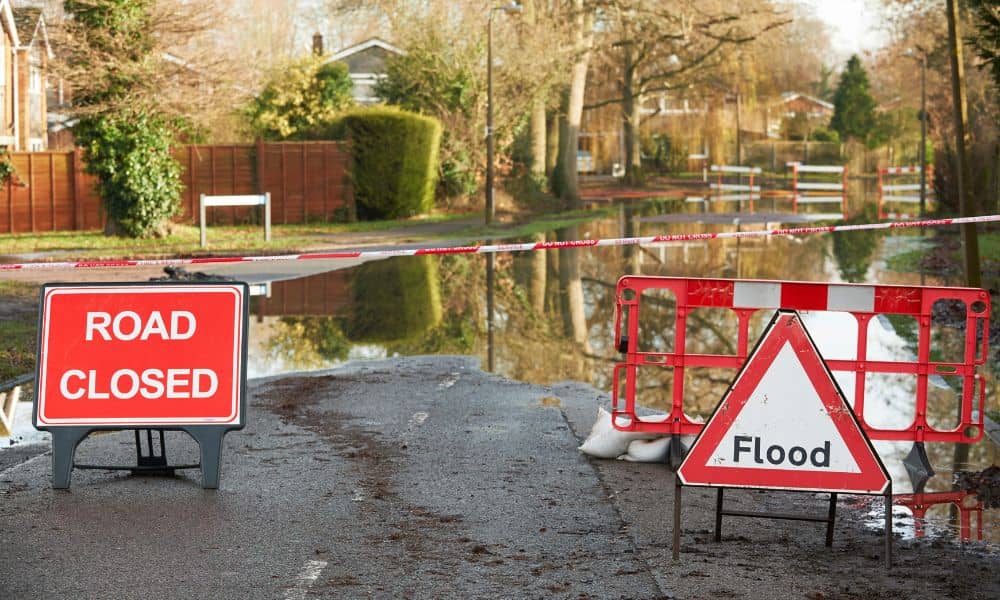
Every year, as Nashville heads into flood season, the phone calls start rolling in. Homeowners are calling surveyors, insurance agents, and real estate pros, all asking for one thing: an elevation certificate.
If you’re not familiar, this document shows the elevation of your home in relation to the base flood elevation. It’s required for flood insurance in many areas, especially if your property is near a flood zone. Without it, you might end up paying higher premiums—or worse, delay your home closing.
Right now, there’s a growing problem across Tennessee: too many people need elevation certificates, and not enough licensed surveyors can provide them.
What’s Causing the Elevation Certificate Backlog?
There’s no single reason. Instead, it’s a mix of timing, regulation, and workforce shortages.
1. Flood Season Brings a Spike in Demand
Late summer into fall is when Tennessee sees a lot of heavy rain. For homeowners in low-lying parts, this means a higher risk of flooding. To protect their homes—and meet insurance requirements—they rush to get elevation certificates before the worst of the weather hits.
The problem? Everyone wants their certificate at the same time. It’s like trying to book a last-minute seat on a flight during the holidays—only so many slots are available.
2. Not Enough Licensed Surveyors
The real issue, though, is deeper than weather. Across Tennessee, the number of licensed land surveyors is shrinking. In fact, during a recent state board meeting, a county even asked for a license waiver due to a surveying staff crisis. That’s how serious it’s gotten.
Many long-time surveyors are retiring, and not enough new professionals are stepping in. This leaves homeowners stuck, especially in fast-growing cities like Nashville where the demand is only rising.
3. Technology Confusion Adds to the Mess
To make things more complicated, some companies advertise drone-based or online surveys. They might seem cheaper or faster, but here’s the catch: they’re not legally allowed to issue elevation certificates unless a licensed surveyor signs off.
This confuses homeowners. They think they’re getting a certified document when they’re really just getting a map. When their lender or insurance company rejects it, they have to start over—and the clock is ticking.
Why This Matters to Nashville Homeowners
If you’re trying to buy or sell a home, or renew your flood insurance, a delayed elevation certificate can cost you big time.
- Mortgage closings get pushed back
- Flood insurance premiums go up
- Real estate deals fall through
- Construction projects get held up
For many homeowners, this comes out of nowhere. You don’t think about an elevation certificate until someone tells you that you need one—and by then, you’re already behind.
How Surveyors Can Help Ease the Backlog
Let’s shift gears for a moment. If you’re a licensed land surveyor, you’re probably feeling the heat. Calls don’t stop. Everyone wants results—yesterday.
But there are ways to make the load a little easier.
Set Clear Expectations
Let clients know right away how long the process takes. Don’t promise quick turnarounds if you’re already swamped. A clear timeline helps reduce panic and earns trust.
Educate Clients Early
Most people don’t even know what an elevation certificate is until it becomes urgent. Sharing content (like this blog!) or sending out a short explainer during flood season helps clients understand what they need—and when to ask for it.
Build Local Partnerships
Work with real estate agents, title companies, and insurance brokers. If they know the demand is spiking, they can advise their clients to get started earlier in the process. This spreads out the workload and reduces last-minute calls.
What Nashville Homeowners Should Do Right Now
If you own property near a flood zone—or you’re unsure—now’s the time to act. Getting a survey for your flood-prone property early makes it easier to secure your elevation certificate on time. Here’s what you can do to avoid the rush:
1. Check Your Flood Zone
Use FEMA’s online flood map tool or call your insurance agent. If your property is at risk, you’ll likely need an elevation certificate for insurance.
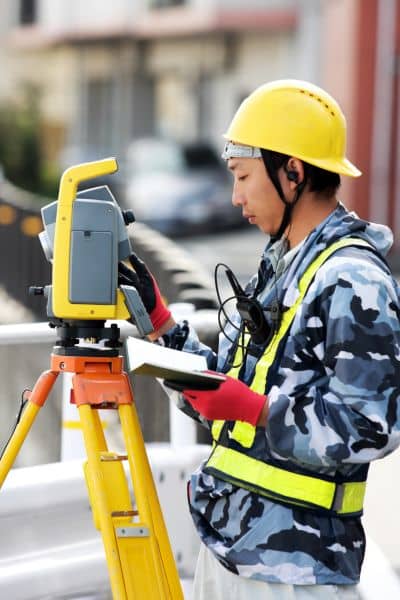
2. Contact a Licensed Surveyor Early
Don’t wait until your insurance renewal is a week away. Reach out now, even if your policy isn’t due until next month. Getting on a surveyor’s schedule early gives you more breathing room.
3. Avoid Online Shortcuts
If a company offers a fast, cheap elevation certificate without a licensed land surveyor involved, walk away. Only a licensed surveyor can issue a valid certificate recognized by FEMA and insurance companies.
4. Plan Ahead for Closings
If you’re selling or buying a home, ask about elevation certificates early in the process. Your agent should help guide you, but don’t assume they’ve already taken care of it.
Final Thoughts:
The elevation certificate backlog isn’t going away overnight. With more storms, more development, and fewer surveyors, the demand will keep rising.
But that doesn’t mean you have to scramble. Whether you’re a homeowner, real estate professional, or surveyor, planning ahead makes all the difference.
Start early. Ask questions. Work with licensed pros. And remember—this isn’t just a document. It’s a tool that protects your home, your investment, and your peace of mind.