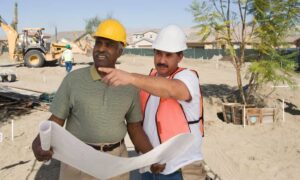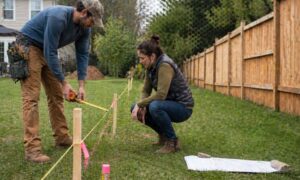
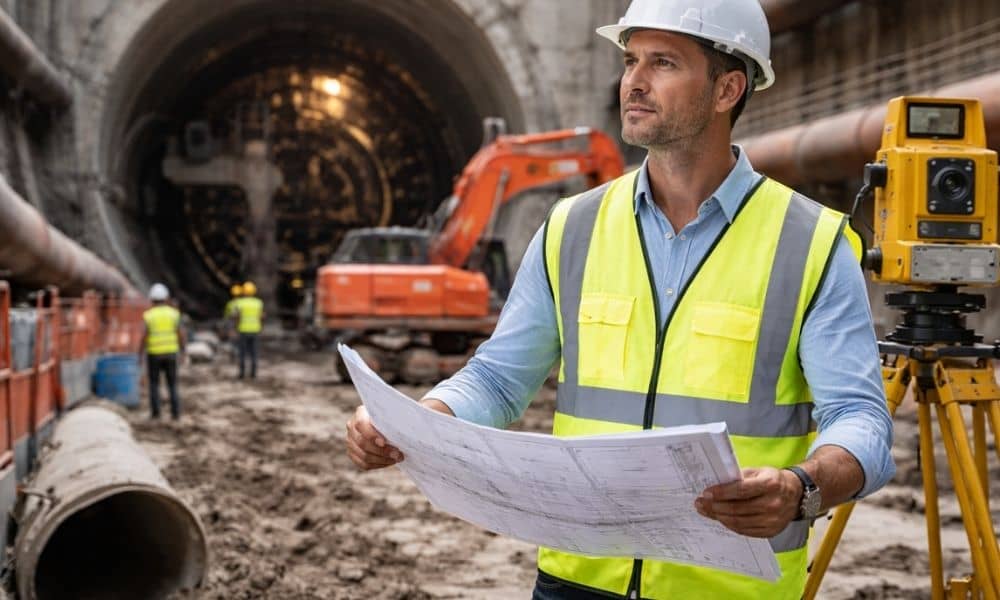
Big projects often bring big debates. Recently, a plan for an underground tunnel in Nashville has raised many questions about safety, soil, and risks like sinkholes and flooding. Many people talk about the politics of the project, but engineers see something different. They look at the risks underground. That’s why the role of a consulting engineer in infrastructure projects is so critical — they help spot problems before construction even starts. The same lessons apply to land development, roads, and utility systems. When projects have risks, careful engineering can make all the difference.
Why Underground Projects Are So Hard
At first, digging a tunnel might sound easy. But building underground has many hidden problems.
For example, engineers study the soil. Some places have strong rock, while others have soft soil or limestone that can cause sinkholes. Nashville sits on land where underground cavities can exist. Because of this, tunnels must be planned carefully.
Water underground can also cause problems. If engineers ignore it, flooding may happen during construction. Tunnels can even affect nearby pipes, water lines, and electric cables.
This is where a consulting engineer makes a difference. By combining their expertise with careful site and land surveying services, they can understand exactly how the land behaves, spot potential hazards, and plan the safest way to build.
What a Consulting Engineer Does
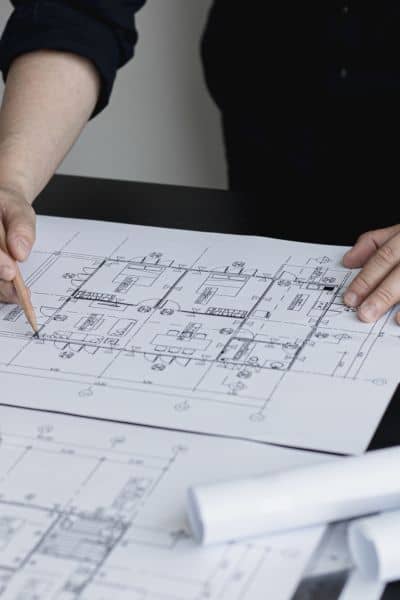
Many people think engineers just design buildings or roads. But a consulting engineer helps guide a project from the very start.
First, they study the site. They look at soil reports, maps, and site information. Then they find risks that could cause problems.
Next, they help plan the project. They check drainage, connections to utilities, and ground stability. They also work with architects, developers, and contractors to make sure the project is safe and practical.
Consulting engineers also work with city offices. They help the project follow safety rules and local building standards.
This work protects both the public and the project owner.
Why Early Engineering Matters
Many project problems start before construction begins. Sometimes developers make plans without studying the land carefully.
Later, problems appear.
Weak soil may need stronger foundations. Poor drainage may cause flooding. Utility lines might block construction.
Early engineering studies can prevent these issues.
A consulting engineer studies the land, checks drainage, and sees if the project will work safely. These studies find problems early, when changes are easier and cheaper.
This helps avoid expensive redesigns later. Even big projects like tunnels follow this process.
Lessons from the Nashville Tunnel Debate
The Nashville tunnel debate shows why early engineering matters. When underground construction is planned, questions come up fast.
People ask:
- Could sinkholes appear nearby?
- Will groundwater cause flooding?
- Could nearby roads or buildings crack or move?
- How will utilities connect to the tunnel?
These questions are all part of the job of a consulting engineer.
Engineers study soil samples, water levels, and underground maps. They also use computer models to test designs. This helps find the safest and best way to build.
Without this, projects can face delays, safety problems, or high costs.
Why These Lessons Matter for Local Projects
Tunnels get lots of attention, but most engineering work is for everyday projects. These projects face similar risks.
For example, developers building a new neighborhood must plan drainage and road access. Commercial property owners must design parking, stormwater systems, and utility connections. Industrial sites often need grading and infrastructure upgrades.
The land itself can create problems. A consulting engineer makes sure the site works before construction begins. They study slopes, drainage, and soil strength. They also design systems that protect nearby properties.
This helps projects get approved faster and construction runs more smoothly.
Preventing Costly Delays
Construction delays often start with engineering mistakes. If a problem happens during construction, crews must stop while engineers fix it.
This can cost a lot of money.
When a consulting engineer works on the project early, many problems are prevented. They find site limits and suggest solutions before construction begins.
For example, they may adjust grading to improve drainage. They may move utility lines or strengthen foundations where soil is weak.
Each change may seem small, but together they protect the project’s schedule and budget.
Protecting Public Safety
Big projects affect the nearby community. Roads, water, and drainage connect to many properties.
Engineers study how construction may impact the area.
A consulting engineer checks traffic, drainage, and building safety. They also make sure the project follows rules and codes.
This helps prevent long-term problems like flooding or building damage.
Consulting engineers protect both the project and the community.
When You Should Hire a Consulting Engineer
Many property owners wait too long to get help. Early planning makes projects easier and cheaper.
A consulting engineer should be involved when:
- Planning a commercial project
- Improving infrastructure
- Designing drainage and stormwater systems
- Dividing land for homes
- Building on difficult soil or land
Early engineering advice shows limits and design options before big costs appear.
The Big Lesson from the Nashville Tunnel
The Nashville tunnel debate teaches an important truth. Big projects need careful engineering.
Public talk often focuses on money or politics. But engineers focus on risk. They study soil, water, slopes, and long-term safety.
This protects both the project and the community.
Whether the project is a tunnel, a commercial building, or a housing subdivision, a consulting engineer plays the same role. They find risks, guide design choices, and make sure complex projects work safely for many years.