In Nashville, the weather can change fast. One moment the sun is shining, and the next, heavy rain is pouring down. Streets can flood, yards can fill with water, and construction sites can turn into mud. This is why Civil Engineering is so important. Civil engineers design systems that guide water to safe places. They make sure it stays away from homes, roads, and businesses.
From the neighborhoods near the Cumberland River to new communities in the suburbs, their work keeps people safe and protects property. Without them, flooding would be more common and far more costly.
Understanding the Role of Civil Engineering in Water Management
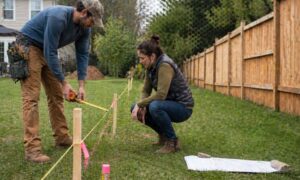
Civil Engineering is the work of shaping land and building structures that work with nature. In Nashville, this means creating streets, neighborhoods, and drainage systems that can handle heavy rain. Civil engineers often work with Land Surveying Services to study the land’s shape, test the soil, and review local rainfall before starting a project.
Because of this careful planning, water flows where it should go. This keeps streets dry, homes safe, and property values protected.
The Real Impact of Flooding and Poor Stormwater Control
When stormwater is not managed well, problems can appear quickly. Basements can flood. Streets can become unsafe to drive on. Yards can wash away. In some cases, water can even damage the foundation of a home or building.
Nashville has seen major flooding in the past, and the cost to repair the damage was in the millions. That is why civil engineers focus on prevention. Stopping flooding before it starts is always easier, safer, and less expensive than fixing it afterward.
How Civil Engineering Prevents Flood and Stormwater Issues
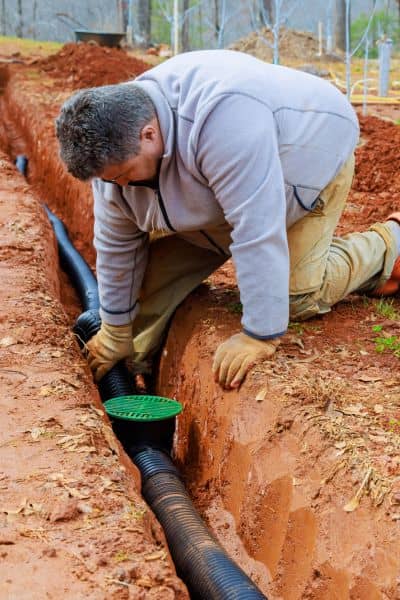
In Nashville, Civil Engineering plans are made to fit local needs. Engineers design storm drains, retention ponds, and grassy ditches (called swales) to move water away from homes and streets. They make sure the ground slopes in the right direction so water flows toward safe areas.
They also use flood maps to find safe places to build and to avoid risky spots. More recently, green features like special pavement that lets water soak through and rain gardens that hold water until it drains into the soil have become popular.
Civil Engineering Solutions for Urban Nashville
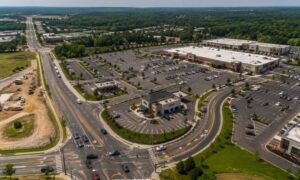
Nashville is growing quickly. This means open land that used to absorb rainwater is disappearing. Because of this, civil engineers design underground pipes, stormwater basins, and improved sewer systems to handle large amounts of rain.
They also make sure that new developments do not make flooding worse for nearby neighborhoods. In older parts of the city, they upgrade drainage systems so they can handle today’s weather and growing population.
Civil Engineering for Rural and Flood-Prone Areas Around Nashville
Outside the city, rural areas and low-lying land face different water problems. Heavy rain can make rivers and creeks overflow, damaging roads, farms, and homes. Civil engineers help by keeping natural waterways healthy and building levees, raised roads, and stronger riverbanks.
They also make sure new homes in flood zones are built high enough to stay safe during storms. This kind of planning protects communities while also protecting the environment.
The Role of Regulations and Compliance
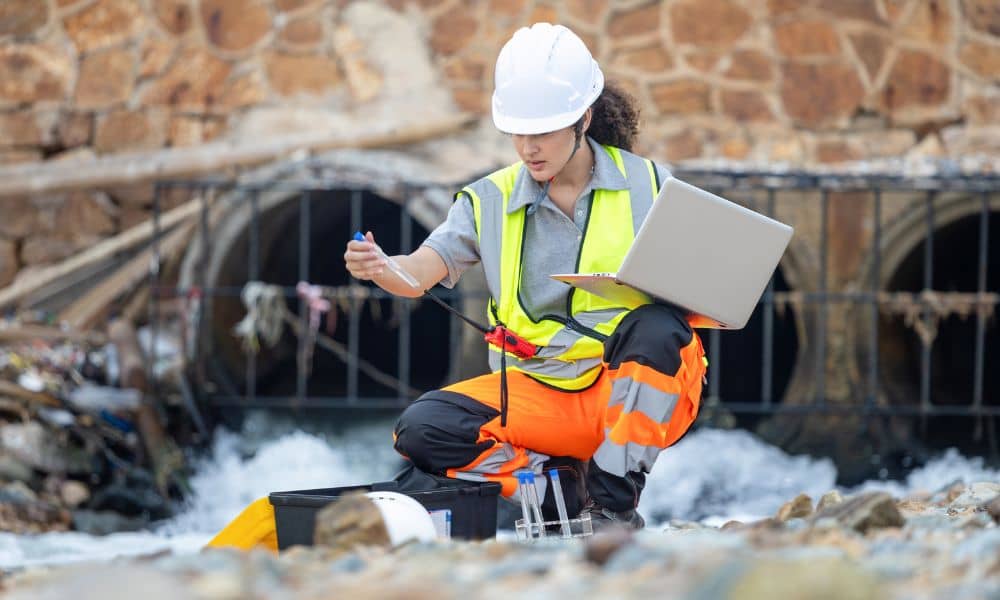
In Nashville, there are strict rules for how stormwater must be managed. These rules help keep people, property, and the environment safe. Civil engineers make sure projects follow city, state, and federal laws.
They prepare the right plans, get the needed permits, and make sure the work is done correctly. This not only avoids fines and delays but also keeps the whole community safe.
Why Early Civil Engineering Involvement Saves Money
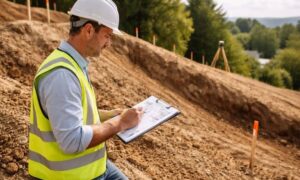
Hiring a civil engineer early can save time and money. They can point out risky building areas before construction starts. They can design the right drainage system and make sure your project follows all the rules.
When these steps are done early, you avoid expensive changes later. You also avoid delays that could slow your project. A well-designed property is safer and often worth more when it’s time to sell.
Conclusion
From busy city streets to quiet rural areas, Civil Engineering helps Nashville stay safe from flooding. Civil engineers design systems that keep water under control and protect homes, roads, and businesses.
Working with Civil Engineering Experts means your project will be ready for whatever the weather brings. In a city where water can help or harm, they are the ones who keep it in balance.